translated from the Czech by Eva M. Kandler
This is the story of Karel Kopfrkingl an upstanding citizen, a family man, of Prague, promoting his entrepreneurial trade of being a crematorium operator.
Kopfrkingl despairs of the state of the world in the 1930s, and worries for his family, which he holds very close, and greatly enjoys his work in the crematorium, taking pride in the clockwork nature of the burning of the corpses. Perversely, he enjoys reading of gruesome murders in the newspaper.

The degree to which the former aspect of his character is superficial becomes clear when midway through the piece, Kopfrkingl‘s character undergoes an apparent transformation. The Nazi occupation of Bohemia and Moravia has been gathering pace, and the change in character coincides with him joining the Nazi party. Soon after he sheds any trace of morality with terrifying consequences.
My précis may make the plot seem a simple one, of the indoctrination of a typical family man, but the story Fuks tells in anything but that. The contrast in the protagonist’s life is mirrored by the pacing and language that Fuks uses before and after the transformation. The conventional becomes outlandish, his cordial existence becomes grisly and horrifying, all done with a wry and dark humour.
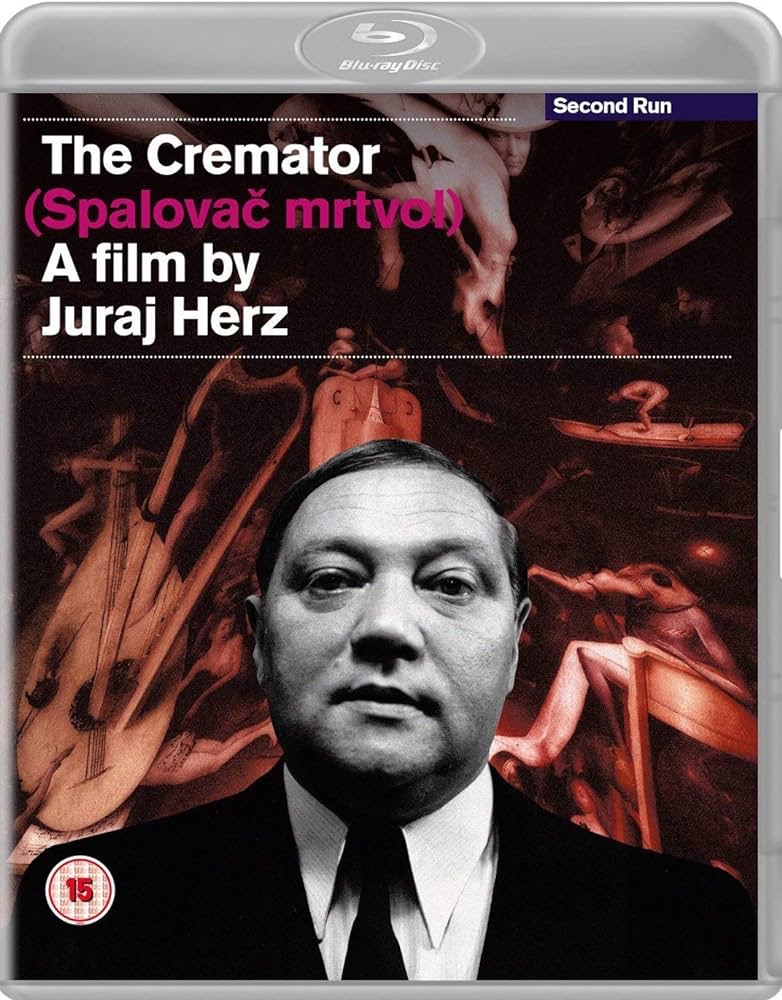
Though first published in 1967 this wasn’t translated into English until twenty years later, when it met with a fair degree of success. It was adapted into a film, scripted by Fuks himself, in 1969 which was highly acclaimed.




 Safe Return Doubtful
Leave a comment