Lesy’s painstaking research through the archives of a rural Wisconsin town between 1890 and 1910 is presented in such a fashion that it becomes a hymn to a forgotten world, a bleak picture of a tough life with harsh working conditions, one in which death is an ever-present, and yet the resilience of the community shines through, and it is not without humour.
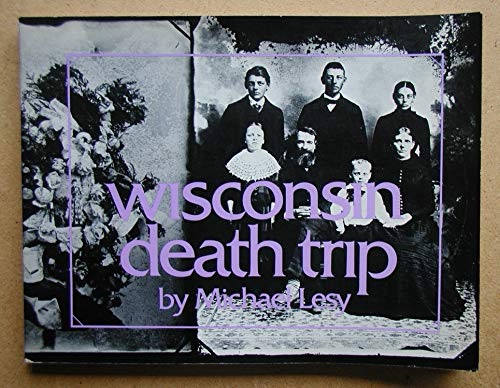
Fifty years after its publication it stands only stronger as something of a cult classic, presenting the dark side of the American dream, ludicrously absurd, and yet haunting and unsettling.
When taking a break from his Masters in social history at the University of Wisconsin Lesy stumbled accidentally on a collection of photographs of grim faces. They had such an affect on him that he scoured through newspaper archives of The Badger State Banner from the 1890s, sifting and picking out any bizarre reports that complemented the dark vision he had seen reflected in those faces.
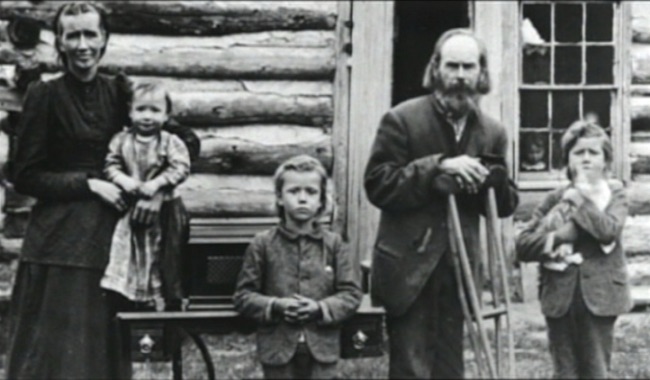
He unearthed a treasure chest of stories of everyday life; of insanity, suicide, disease and crime, of colour bars and prototypes of perpetual motion machines, which he formed into a history book like no other.
In 1893, as economic depression took a grip, the people of Wisconsin felt hardship like never before. But Lesy’s account defies convention, so that the reader can only wonder as to the nature of the hardship that pushed some to such grisly extremes; isolated and macabre tales, or an authentic overview of a society with more than its share of crazies.
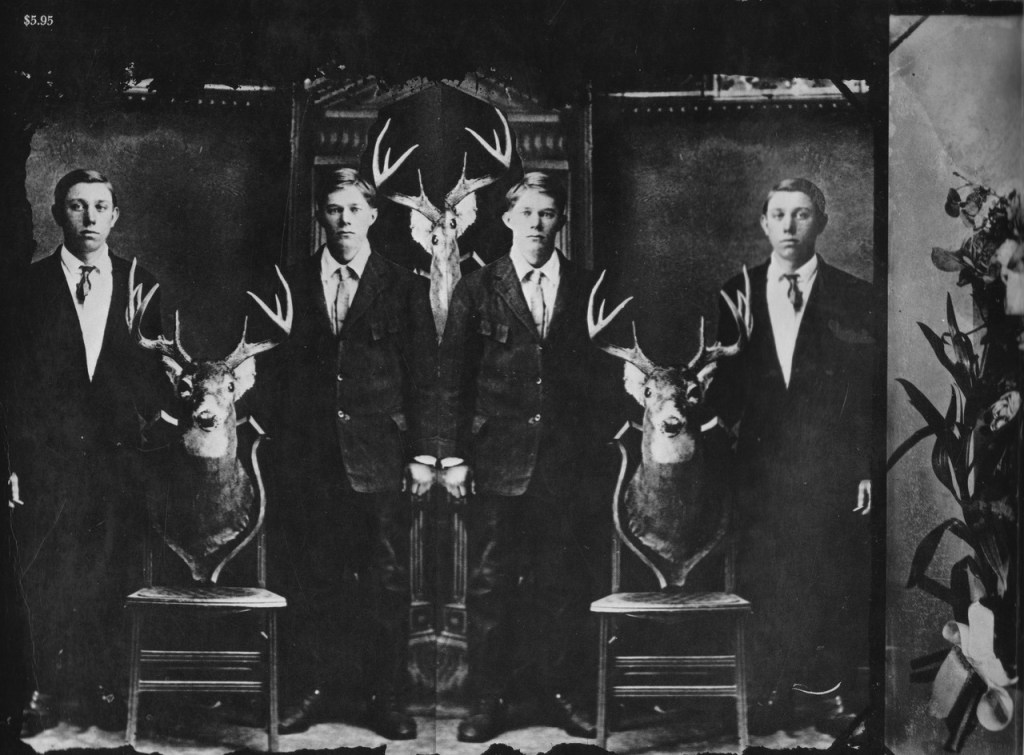
Either way, it’s a gripping read, as well as a memorable history lesson.
Here’s some snippets..
“Mrs. A. J. Cowles, aged 87 years, died at Beloit. She had been married to Deacon Cowles, who survives her, for nearly 68 years. On the occasion of her last birthday her eccentric husband presented her with a coffin which he had made with his own hands and in which she was buried.”
[3/16, State]
“Tramps who were refused food at the home of John Ovenbeck in the town of Friendship, Winnebego County, entered the barn at night and cut the throats of 3 cows, which bled to death. A card attached to the horns of one bore the following message: ‘Remember us when we call for something to eat again. “
(9/21, State]
”Abraham Zweekbaum of the town of Holland committed suicide by battering himself on the head with a hammer. . ..
He attempted to take his life a few days ago by cutting his head from his body with a sharp instrument, but was prevented from doing so.”
17/12, State]
and, from the narrative running throughout the piece..
and, from the narrative running throughout the piece..
Bill’s law partner, C.R. Johnson, said that one of the first trials that old Jacob Spaulding presided over as Justice of the Peace was a kind of mad hatter’s tea party full of mock testimony and false witnesses. The drunk plaintiff falsely accused an innocent man of selling liquor to the Indians, and the drunk jury that found him guilty fined him four gallons of whisky, which they drank on the spot.
Colonel C. C. Pope claimed that most court cases began and ended with friendly bottles passed between the judge, the jury, the defendants, the plaintiffs, the witnesses, the lawyers, and spectators who were so suspicious of one another that they came to court with things other than pen knives in their pockets. He recalled a trial in 1886 over the ownership of a cow. He said the testimony and argument were interrupted at least a dozen times by as many drinks, all of which were toasted by the trial judge breaking into a verse from” Old Rosin and Bow.”


 Safe Return Doubtful
Leave a comment