translated from the Spanish (Bolivia) by Chris Andrews
In September 1987 there was a little known (level 5) radiological (caesium-137 ) accident in the city of Goiânia, a couple of hundred kilometres southwest of Brasilia. A device used in radiotherapy was discovered in an abandoned clinic by two young boys, waste-pickers, who took it for junk. It was subsequently dismantled, passed on to third parties, thereby creating a thread of contamination of hundreds of people. The junkyard owner, and several of its workers and their children died of the effects in the following months. At the time, there was an International Motorbike Grand Prix happening in the city, and the government sort to hush the situation up. Over the next 25 years a further 104 deaths were attributed to the accident.
The nuclear cemetery is barely more than half a mile from the edge of town, on a plot of land guarded twenty-four hours a day by the Military Police Battalion for Protection of the Environment. At this site, forty thousand tons of radioactive waste are stored in thirty-eight hundred metal drums, which are kept in a concrete vault between two banks of earth covered with sun-scorched grass. The cemetery was supposed to be a temporary solution to an unprecedented problem. But for years now the inhabitants of Abadia de Goiás have been demanding in vain the transfer of the toxic material to some other part of Brazil. The fact is, no one wants the nuclear waste. The initial idea of burying it under an air force base in the Amazon was abandoned after protests by the local indigenous people, and no other state is prepared to take charge of such a hazardous can of worms. NUCLEAR CEMETERY, ABADIA DE GOIÁS, 2021 Kamilinha, Leide das Neves’s favorite doll is buried in drum #305. In #2897 are the remains of Titán, Don Ernesto’s dog. In #1758, all the photos of the Alves Ferreira family. The branches of the mango tree from the house of Roberto dos Santos Alves are to be found in drum #65. Drum #3007 contains the remains of Marcio’s chickens. Drum #2503 is full of chunks of asphalt from Rua 57. Gislene’s diary, with a list of all her lovers from 1982 to 1987, is in drum #13. Drum #492 holds Devair’s tools. In drum #666 there are unused rolls of toilet paper. Lourdes das Neves’s favorite dress, in blue satin with yellow flowers, is in drum #27. Receptacle #1234 contains a letter that Israel never sent to his ex-girlfriend, the only letter he ever wrote. The clothes that Gabriela Ferreira wore in hospital as she lay dying were thrown into drum #78. Drum #75 holds bottles of Brahma beer from the bar on Rua 26-A, many unopened. Drum #789 is empty: the workers made a mistake. Two tickets for the movie ET are hidden in drum #89. In drum #1894 is an unopened box of Garoto chocolates that Luiza Odet had just bought at the supermarket. An ID card belonging to Admilson’s brother, who disappeared during the dictatorship, is in drum #2406.
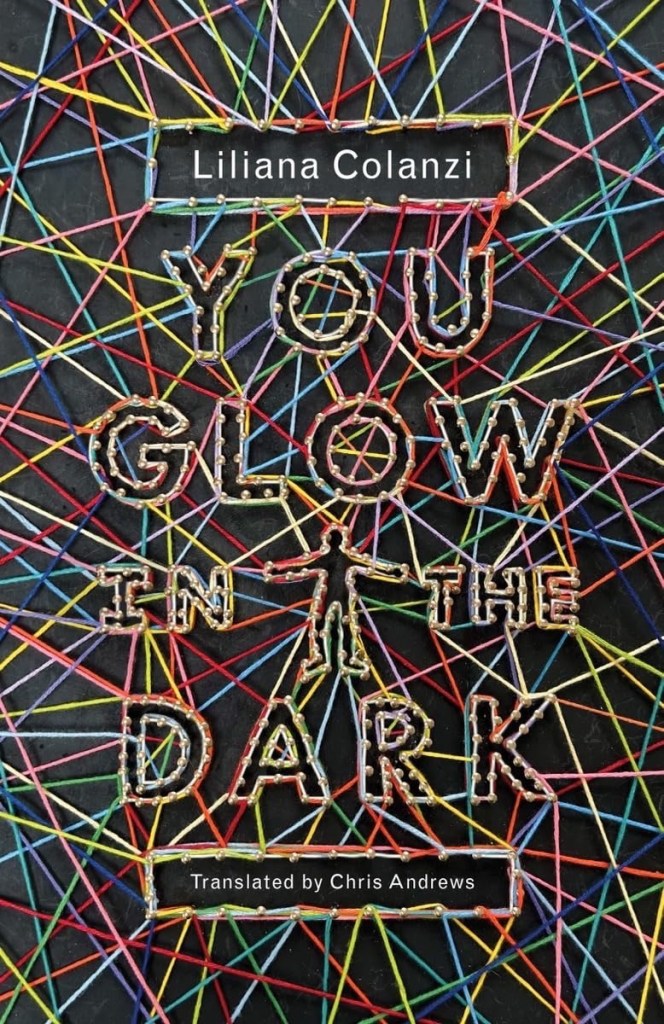
The last story in this powerful collection from Colanzi concerns the accident, and gives a title to the book.
But it is by no means the only excellent contribution in the book, and perhaps not even the best.
One other story also highlights the environmental consequences of colonialism. Atomito a superhuman mascot of an industrial nuclear plant that is poisoning all around it, but using corruption to deflect the blame.
Colanzi is Bolivian and the other five stories are set up on the Altiplano. I’ll just mention two of them.
The Narrow Way is a coming of age story of two young girls that deals with forbidden fruit’s effect on an isolated faith.
The opening piece, The Cave, is told in fragments; a prehistoric mother, a time traveler, and a pair of ill-fated lovers are just a few who spend time in the titular cave, beautifully demonstrating the fleeting transience of people across time.
This is an outstanding collection. It earned Colzani the Ribera del Duero International Short Story Prize, and makes me wonder whether she would consider turning it into a novel.
For sure, with such captivating and dramatic writing, and her skilled translator, Chris Andrews, she is certainly one to watch for in the future.
And a clip to finish with..
The band is called Radioactive Flesh.
Zé Maconha is the drummer, Suicide Girl plays bass, I’m on guitar, and my girlfriend sings back up.
We’re all from Jardim Novo Mundo, we only play in contaminated areas and choose the venue the night before.
None of our parents owns a home. Thirty people showed up at the first gig, at the next one there were fifty, now there’s more than a hundred of us.
Are we afraid of cancer? Listen, the police are going to take us out before the cancer does.
My GoodReads score 5 / 5

 Safe Return Doubtful
Leave a comment