The fine weather has been around all week though is due to come to an end tomorrow, with a rather more typically winter week of cloud and rain for the next few days. I have made my way north for a hundred kilometres or so to the town of Lousã and its castle, that dates back to the year 943. Until the fourteenth century it was known as the Castle of Arouce.
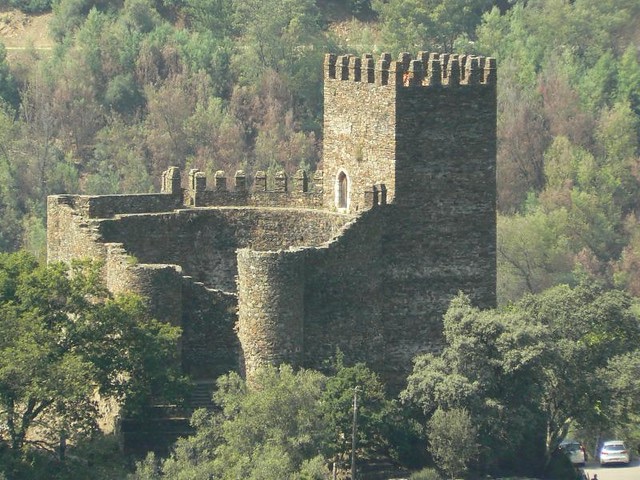
I had read about a hike from the castle that I was keen to do, though couldn’t quite imagine its appeal being so close to a town of 25,000 people. I was pleasantly surprised, as two kilometres up the river Arouce on a winding road up the forested valley, the town seemed a lot further away. It was quiet and peaceful, and the car park a perfect place for overnight.

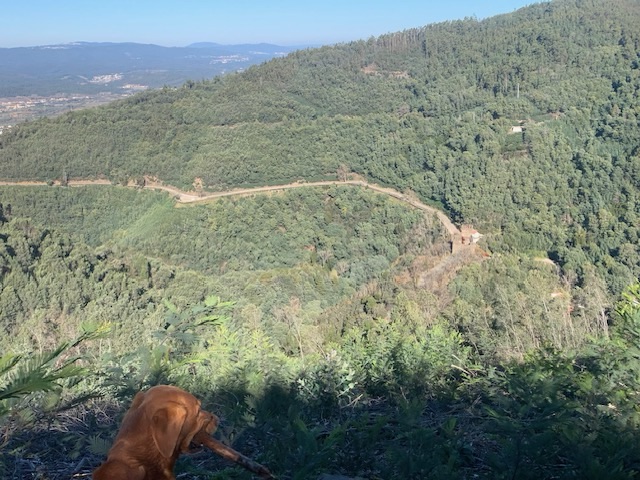
We had an hour to wander around the castle and its grounds at last light on Thursday and then spent Friday morning walking the twelve kilometre trail through the forest that climbs (and descends) steeply to two schist villages, Talasnal and Casal Novo, dating to the 1600s.
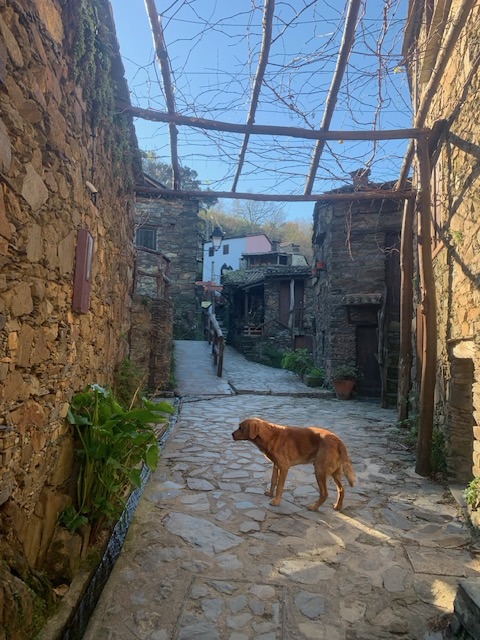
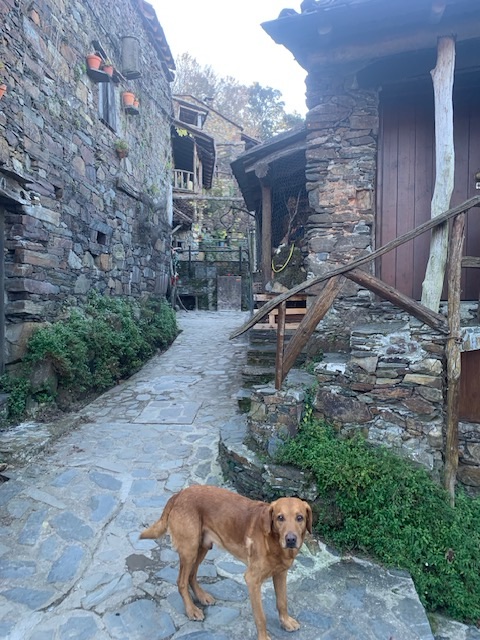

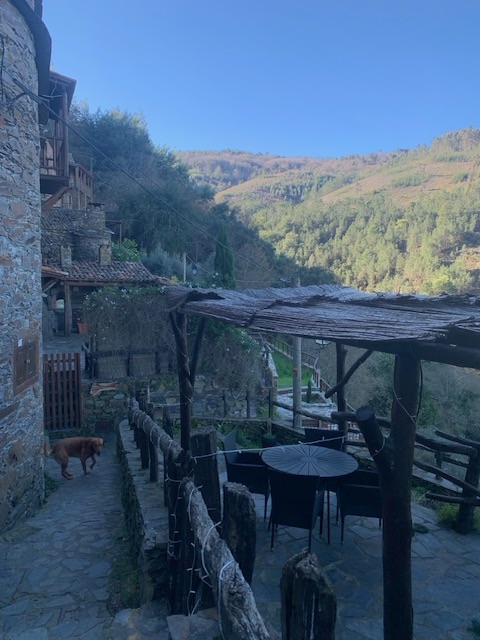
These days the quaint houses are almost all rented to tourists, and at expensive rates. From the overgrown state of the trail, it didn’t look like many of those guests hiked to their accommodation.
Being so close to the town there were a few people around when I returned to the van. I got chatting to a couple taking a short stroll before having lunch at the castle restaurant, which apparently has a very good reputation. The guy and Dutch and his wife Portuguese. She recommended me a number of places, though stressed that I should be in the south where the weather was so much warmer. I have to confess that with some rain and cooler temperatures coming in next week, I did consider driving four hours in that direction.. considered it for a few minutes only, then discarded the idea. I’ve seen plenty of campervans and motorhomes, and they are all headed down there. The weather may be changing, but it will still be ten degrees warmer than in Cumbria generally, and that’s plenty for me.

I stocked up on fuel and at the supermarket in Lousã, and even took the van to a car wash, before driving an hour from the Serra da Lousã to the neighbouring range, the Serra do Açor, Açor being Portuguese for the goshawk, that is commonly sighted in these hills.
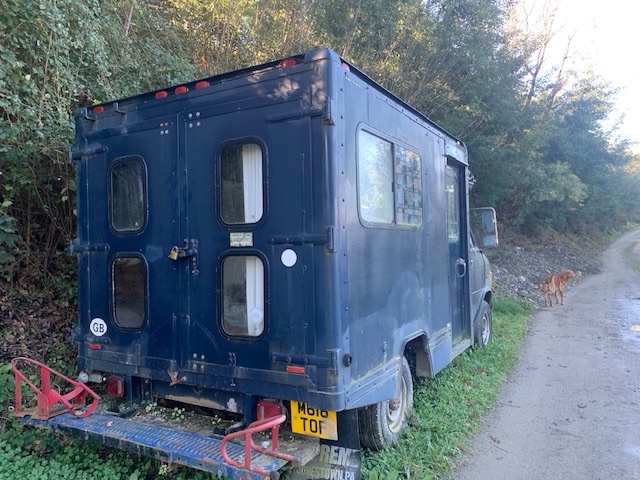
Finding a good park up space is more of a challenge in winter than the rest of the year, and particularly so on a Friday and weekend, when a good 4G signal is essential. Whereas fellow van dwellers quote shade is being crucial for a summer’s day in Portugal it is the opposite at this time of year. The sun is high enough in the sky at the moment to give the van some invaluable solar power, and warm enough to have the van door open for a good part of the day.

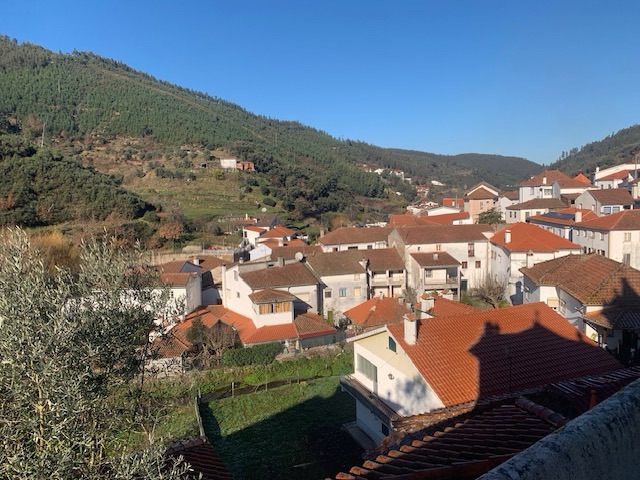
I found an ideal place at the Chapel of Nossa Senhora da Guia above the village of Benfeita. It is also on a walking trail that I had researched.

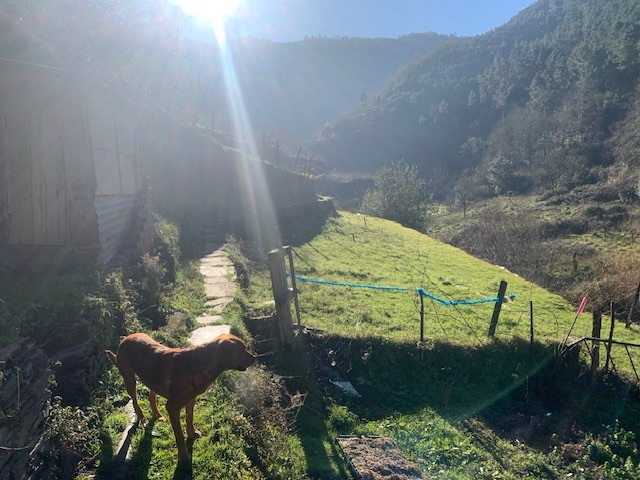
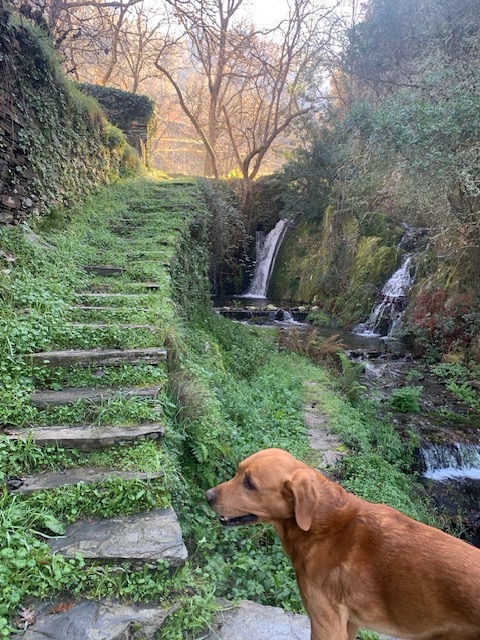
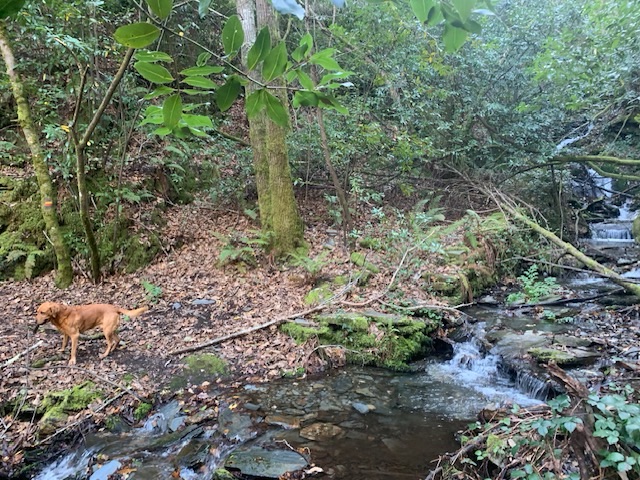
This morning, Saturday, we followed the trail as it descended a hundred metres in altitude to the village, then meandered off around the surrounding hills going up one river valley and descending another. In the valley it was still icy at 11 am, so the rock was potentially treacherous, and made for slow going, along with the fallen trees and branches of winter that won’t be cleared until hiking properly restarts in a couple of months. I was out for three hours, which is enough on a busy Saturday of European rugby, and will complete the remaining part to the trail tomorrow morning.


Benfeita is one of many little white-stone villages nestled in the mountains here. Yesterday evening a couple of young families walked past just before the daylight went, and said hello. They are English and live on a farm a couple of kilometres out of the village, above which I passed today when hiking. They moved to live here from Manchester, to what was one of their parents’ holiday house, at the outbreak of the pandemic, and have stayed since. They have completely renovated the property, and live in two buildings as separate families, and regularly have friends, and friends or friends, staying in a third building. They have bought additional land, and make enough money from a few goats and cattle, but mainly growing fruit and olives, as well as being almost completely self-sufficient. For ten months a year solar and wind energy give all their power needs. However, despite their lifestyle greatly appealing to me, it was my van and my lifestyle that appealed to them.. they had itchy feet, they said..


 Safe Return Doubtful
Leave a comment