Over last few days spring has been on hold while winter temperatures returned. I’ve managed to avoid much of the wintery weather that has been around so far on this course, but eventually it caught up with me.
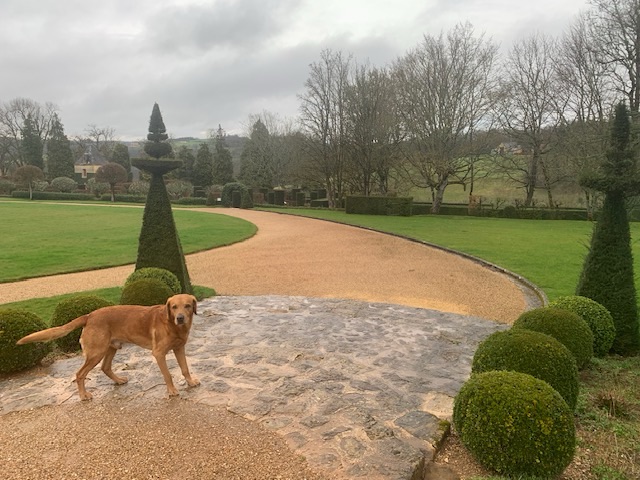
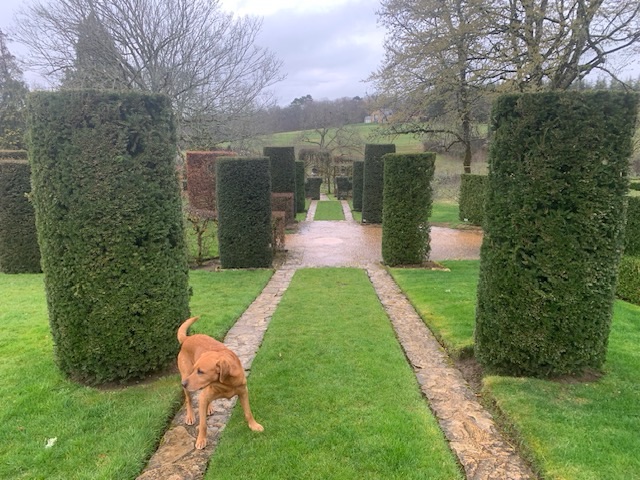
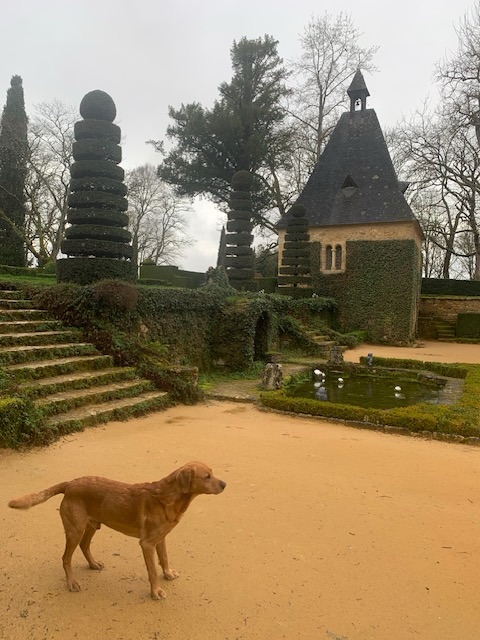
Through the advice of a local, a woman I met at a bakery early last week, I found an excellent place to stay at Eyrignac Manor House. It sounds very grand indeed. Her husband was a gardener there, she was actually English by birth. The Manor is seventeenth century originally, and is surrounded by a recreated 18th-century Italian Renaissance garden and an elaborate topiary garden. The house is sited on top of a hill, with water coming from seven springs. The garden is listed by the Committee of Parks and Gardens of the French Ministry of Culture as one of the Notable Gardens of France. In the summer it gets plenty of paying visitors, and a stay in a campervan would be out of the question, but at this time of year there was only me and the gardeners there.
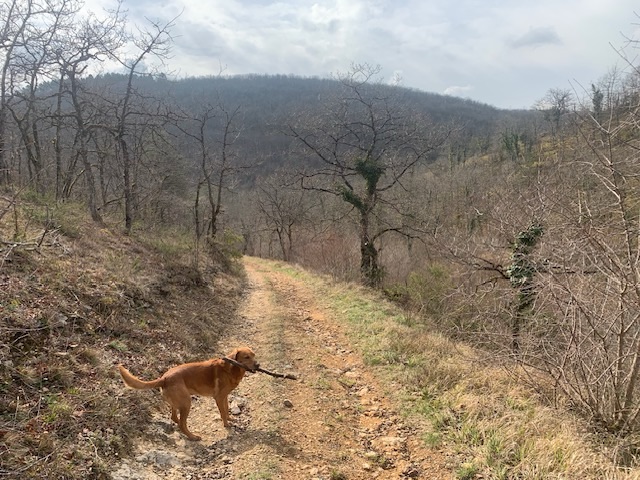
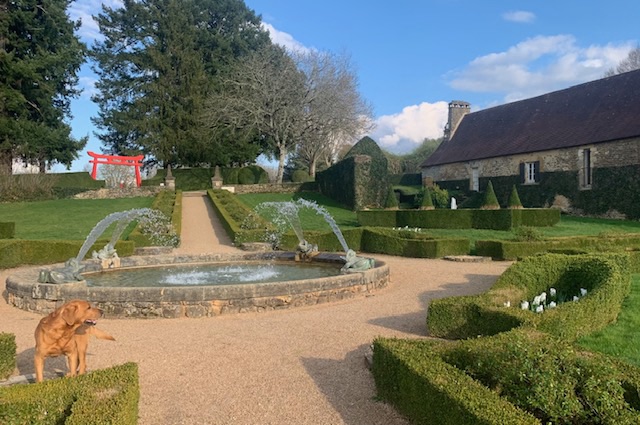
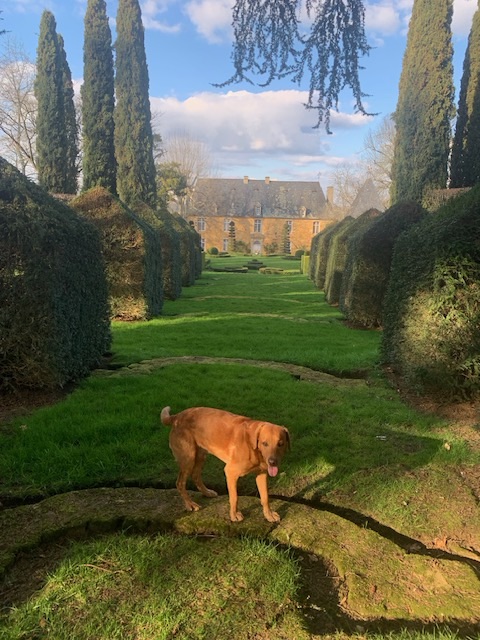
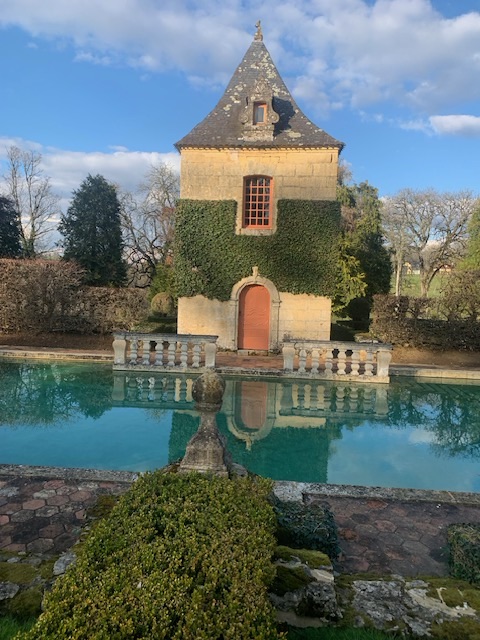
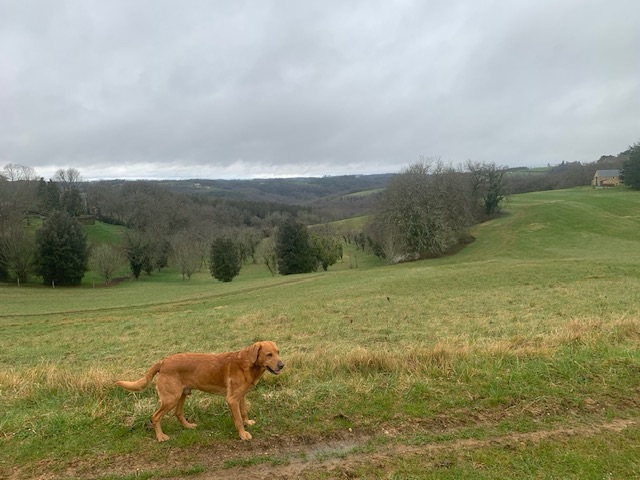
There was sunshine and showers for the two days I was there, but the temperature didn’t get above 7C, and well below zero at night. There was some good hiking in the valleys around the house.
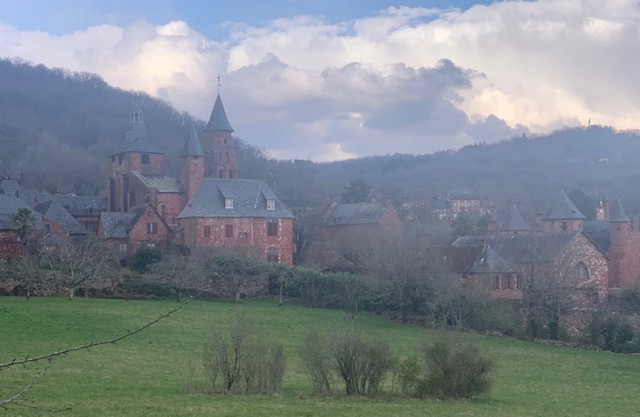
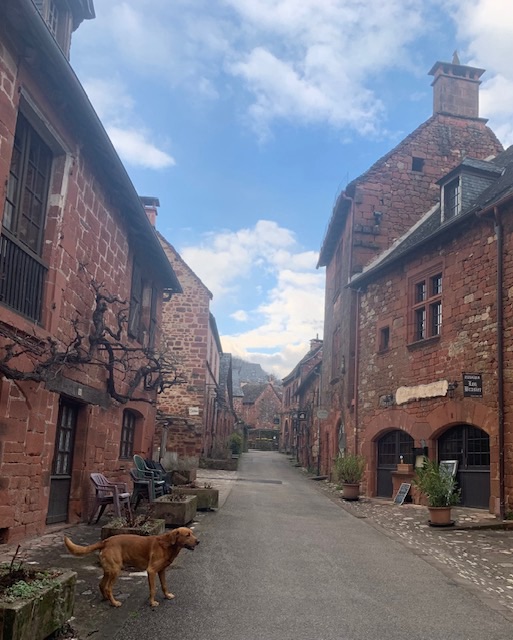
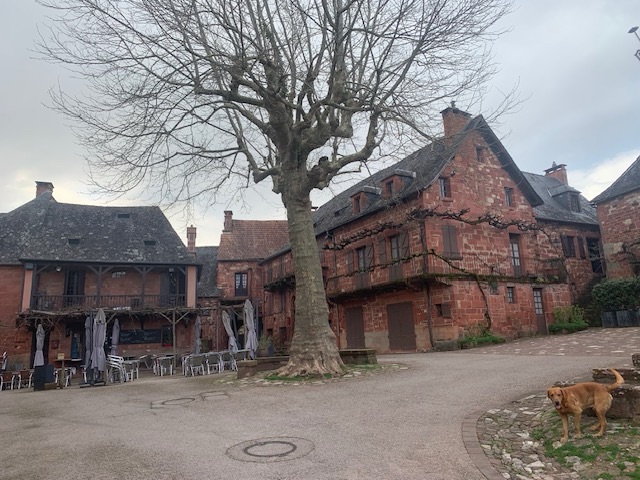
On Friday we moved on, creeping northwards, but still around the Dordogne valley, to another recommendation I had received, a new aire at Collonges-la-Rouge. I had stayed in touch with the English guy I met at Rocamadour, and he had sent me a message saying that as the place was still in construction it was free, as opposed to the €15 it will cost. Collonges is the ‘Red Town’, as its name suggests, as its medieval houses are built from the red sandstone unique to the area. The intensity of the red coloration in the sandstone is influenced by the levels of iron oxide present during the solidification of the sand grains. The town has a rich history also, dating back to the eighth century when around a priority established along the pilgrimage route to Santiago de Compostela. It was of historical significance in the thirteenth century when it became the capital of a châtellenie (castellany) and a hundred years later had expanded to become one of France’s largest fiefdoms, enjoying significant autonomy and functioning almost as a state within a state. Many of its buildings were demolished during the French Revolution and the town experienced a serious decline in the 1800s, but in the early 1900s group of local residents established a heritage preservation association and successfully had most of the town’s buildings classified as Historical Monuments in 1942.
When I arrived on Friday afternoon there were a couple of other motorhomes parked up also, but the weather soon closed in, to a cold drizzle, and the others all left.

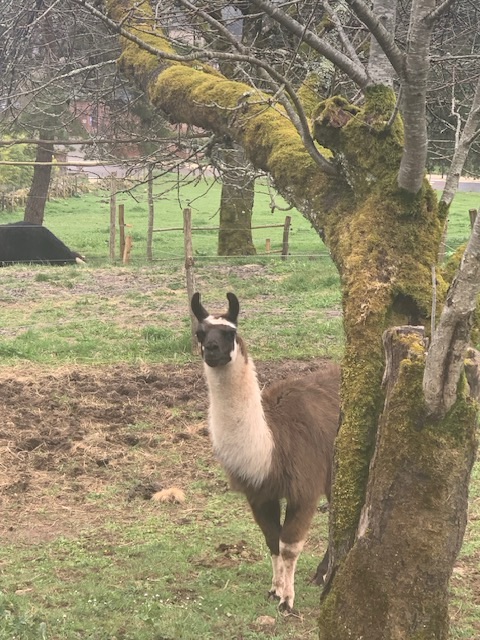
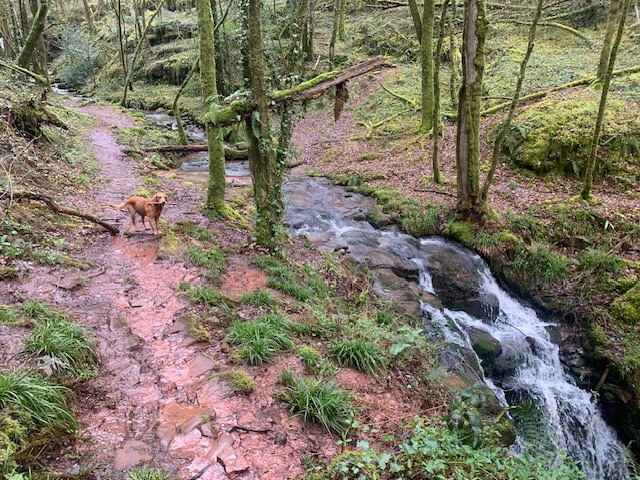
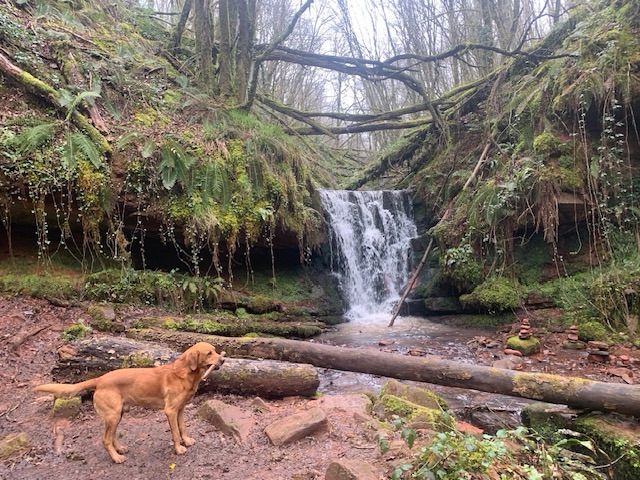
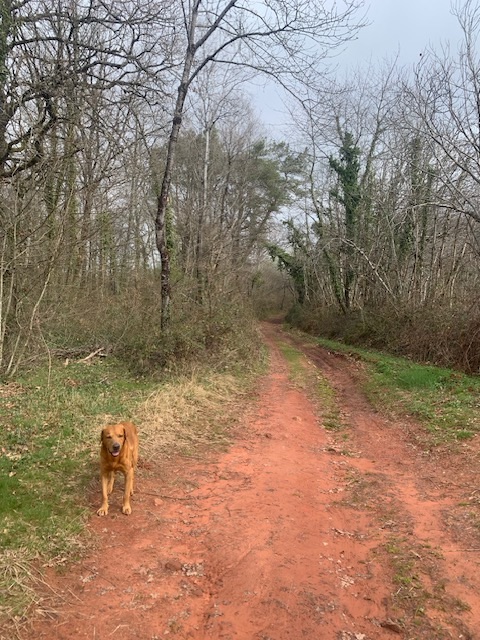
There was actually a snow and ice warning out for Saturday and Sunday, though the temperature managed to stay a few degrees above zero. We managed a couple of circuits around the local countryside on foot, one of them took in a naturist campsite at the top of a hill, unsurprisingly empty in this weather. Fortunately the inclement weather coincided with a huge weekend of sport, so there was a lot of time spent in the van.
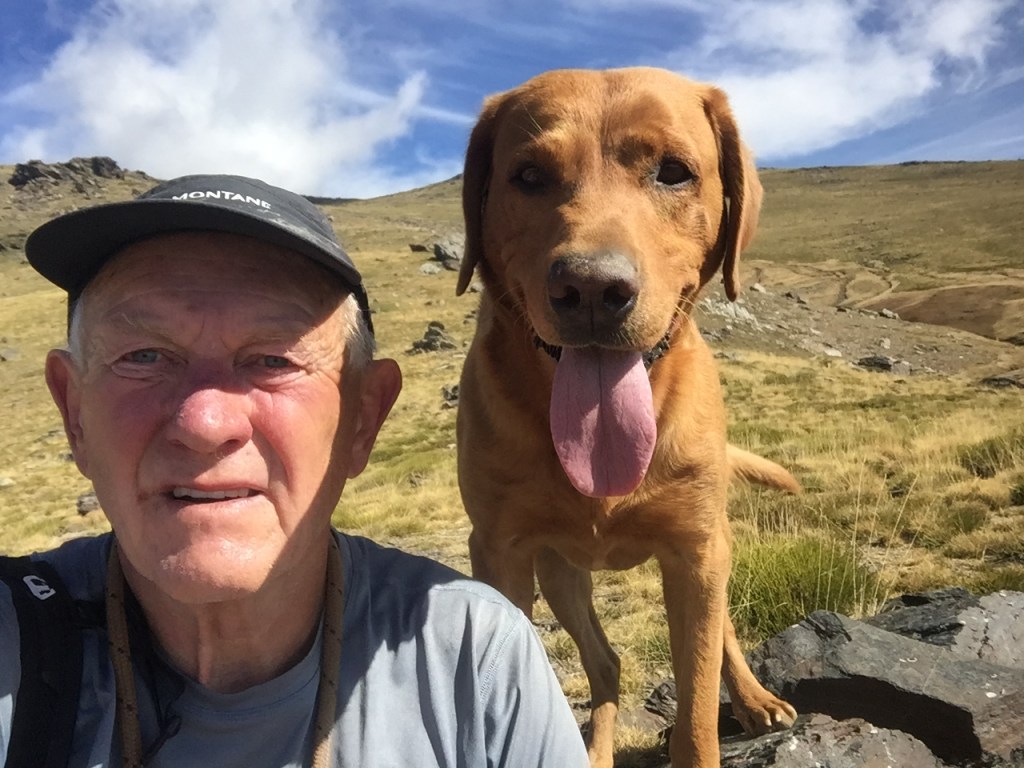

 Safe Return Doubtful
Leave a comment