translated from the Spanish (Colombia) by Victor Meadowcroft and Anne McLean – published 1988
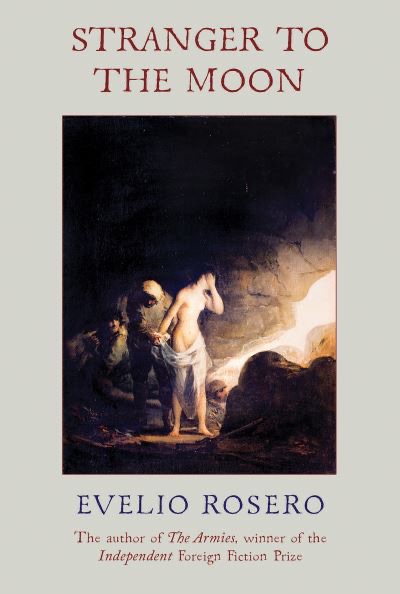
This is more Kafkaesque and complex than the other Rosero novels I have read, and with something more of a serious tone to it, less dark humour.
It concerns a group of naked political prisoners who have been incarcerated in an enormous but packed house where they must wait upon the higher caste of “clothed ones.” From the shadows of the wardrobe in which he has been allocated, the narrator describes his silent and intended rebellion against his jailers, and thereby learn more of this society’s structures and rituals. For example, the clothed ones arrive at the house whenever they like, the naked ones cannot leave the house without being verbally and often physically attacked, then subject to torture. The naked ones are maimed or even die of starvation at young ages, though some become favourites of the clothed ones and get special privileges.
As ever with Rosero, great depth lies within the novel’s few pages, and the tone changes according to the narrator’s moods of anger, resentment, and defeat. It’s as bleak a story as I can recall, similar to a couple of favourites of mine, Ansgar Allen’s Wretch and Jacqueline Harpman’s I Who Have Never Known Men.
My GoodReads score 4 / 5


 Safe Return Doubtful
Leave a comment