
I’ve not long finished reading my second of the Booker shortlist, and that may well be it. My first, Sarah Bernstein’s Study for Obedience, was a 5 out of 10, with a good first half, but her style of writing didn’t really appeal.
The one I’ve just finished, Paul Lynch’s Prophet Song, I enjoyed much more. I say enjoyed, though it’s a really dark vision of Ireland in the near future, with a totalitarian government in power and the Garda National Service Bureau to keep the population in check, something like the stasi of East Germany. It concentrates on one family; the father, a trade unionist is questioned by police and soon after disappears, leaving his wife and children to struggle for survival. Lynch intentionally mirrors problems faced by current war torn countries, such as the rise of extremist political factions, surveillance, ordinary people’s lives being torn apart and terrorised, and refugees.

It asks the question, what is the difference between dystopian and historic fiction, and reflects that the answer might be only about 30 years.
I’ve had to slightly change my plans due to the threat that Kosovo now faces. I had hoped it was all in the past. I visited five years ago, and enjoyed it and meeting the people, thoroughly. I hoped to spend time on its border, all of which is mountainous. I have a good friend who is a human rights lawyer in The Hague, still trying to extract testimonies from those who suffered such tragedy in 1999. Along with Bosnia, stopping the fighting was one of NATO’s great successes. To know more about this, listen to today’s The Rest is Politics podcast, both Rory Stewart and Alaistair Campbell know the area very well and do a great job of explaining it, if anyone may not be aware.

I’ll also recommend a Kosovan film from last year, called Mrak, or Darkling. It’s a psychological drama about NATO occupied Kosovo, and the few Serbian families left living rurally there, with their children trying to attend school.
Here in Bosnia today, it’s barely possible to view a landscape not changed in some way due to the war, whether it is abandoned houses, shelled buildings, trenches, signs warning of mines. It finished just 28 years ago. The country’s population was 5 million in 1990, today its just over 3 million, and still dropping. Things didn’t settle as well as the rest of Europe was led to believe, especially around the Serbian border. Yet any recent problems fail to get a headline in most news coverage. I fear it may start again.
“The stunned knight came upon a field
Where nothing lived, just scattered skulls and bones.
What battle had been fought, what did it yield?
No one remembers why the screams and groans.
Why are you mute field?
Why overgrown with grasses of oblivion? “
(Pushkin)

This morning I started a new book, then a short amble to the cafe at the ‘big’ waterfall in Martin Brod for a second coffee, not an authentic Bosnian coffee, but espresso style.

Then after a brief haunting from another school group (in a good way), it was time to leave.


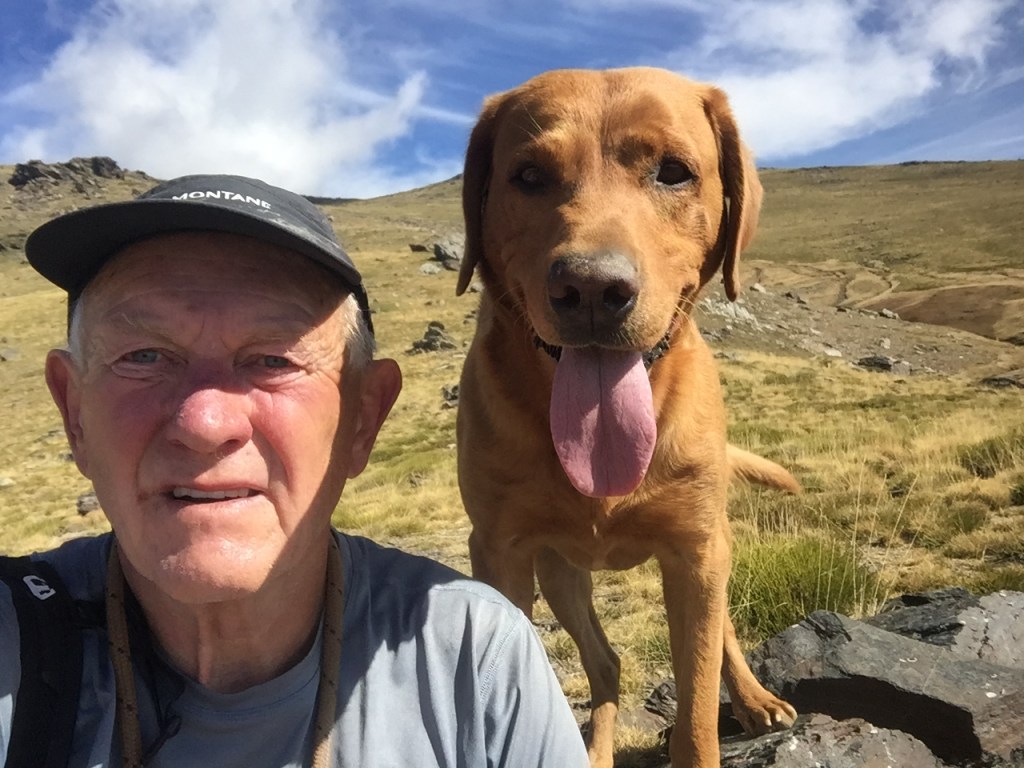
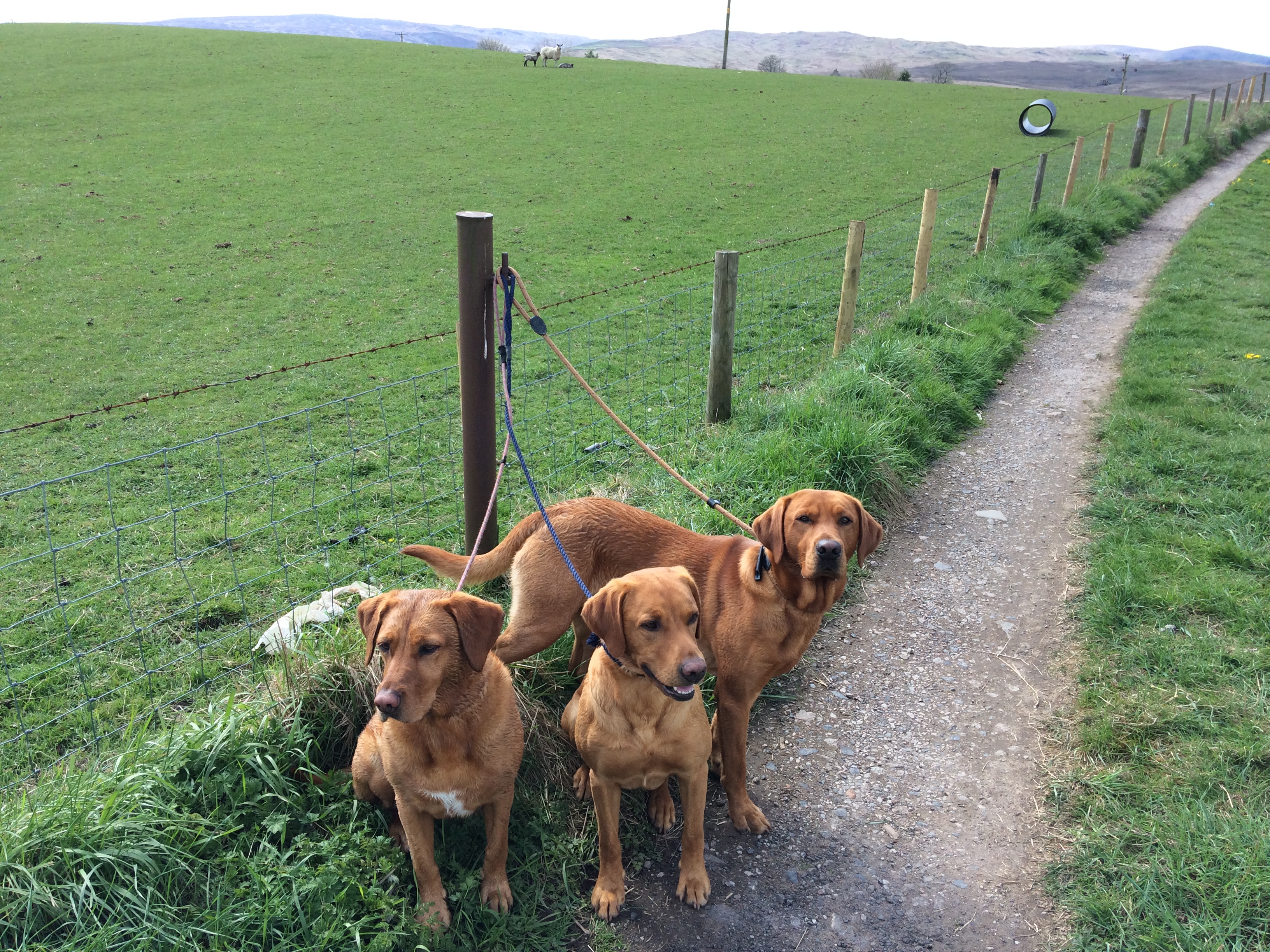
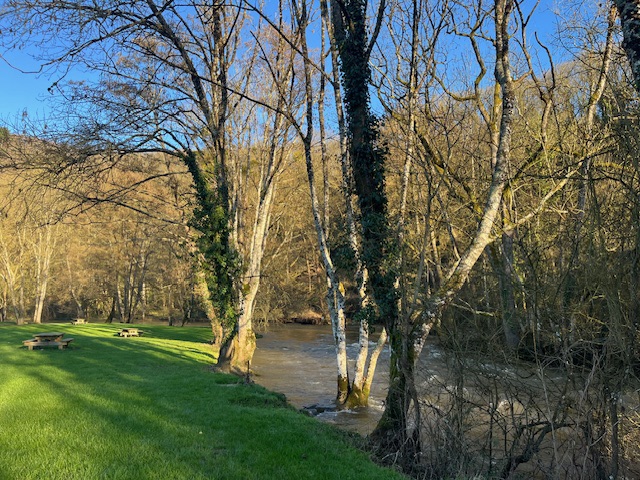
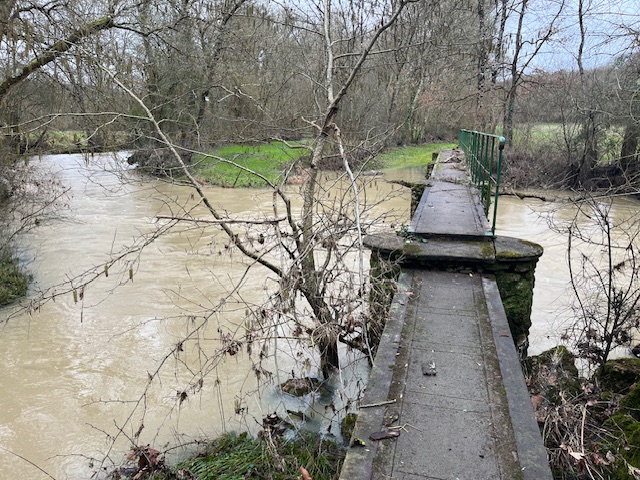
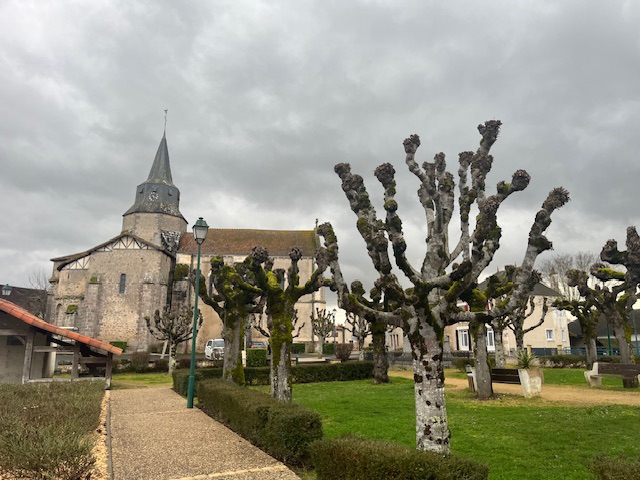
I’ve driven a couple of hours through the towns of Drvar and Livno and up into the Balkan mountains to rejoin the Via Dinarica at Masna Luka, parked up at St Elijah’s church and monastery, in the above pictures, at 1200 metres asl, in a good place for some hiking tomorrow.


 Safe Return Doubtful
Leave a comment