translated from the Italian by Jenny McPhee – published 1998
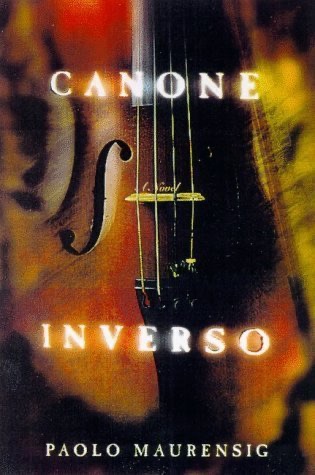
This was Maurensig’s second novel, and the last of his five translations into English that I have read, and every bit as good as the others.
Framed within a frame, the story begins when an unnamed narrator is fortunate to find and purchase a priceless violin that he has long coveted. He is then visited by a devastated writer who was also desperate to own the instrument. He then tells the narrator his story, and that of the violin. He became aware of the violin, after meeting an elderly itinerant Hungarian musician, Jeno Varga.
After the death of his mother as a young boy, Varga’s strict and loveless upbringing from his businessman stepfather was continued with an apprenticeship at ‘the most important music school in Europe’, like a prison with its discipline. On finishing at the music school he accepts an invite to a gothic Hungarian castle from a school friend, Kuno Blau, that will change his life.
As convoluted as the beginning is, with the story within a story within a story, the novel then really gets going. Maurensig addresses a favourite theme of nurture versus nature in a fascinating way. He has considered it in his chess novels, and it is a subject those of us involved in sport will relate to also.
The book is at its best in Blau’s castle, when it turns tail, what was a coming of age tail, and a detective mystery becomes a ghost story.
If a potential reader was only to read one of Maurensig’s books, this would be perfect. It is wonderful storytelling, graceful and yet sparse, and told with solemnity. As Jeno speaks his evident loneliness seems to affect every other character in the story. It has a mournful beauty to it.
My GoodReads score 5 / 5






Leave a Reply