The Island of Fedje is the 170 nautical miles, or 315 kilometres from the north of Yell in the Shetland Islands. Those Bergonians with sailing boats often undertake the crossing in the summer. On Yell last summer I had texts from my cell phone provider telling me I was actually in Norway. I arrived on the island on Saturday morning in 24C with almost completely calm waters, unusual weather for the time of year. The ferry arrives to the island’s main village with its church, and a distillery the dominant buildings. This year the distillery’s whisky is six years old, and therefore can be sold. Until now it has only sold gin. The island is just 9 square kilometres, and has a permanent population of 330, but has more holiday homes for the people of Bergen than it has for its residents. It’s often windswept, but this weekend was calm and warm.
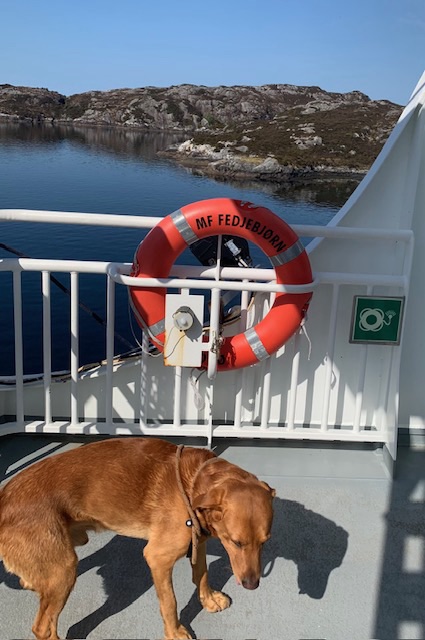
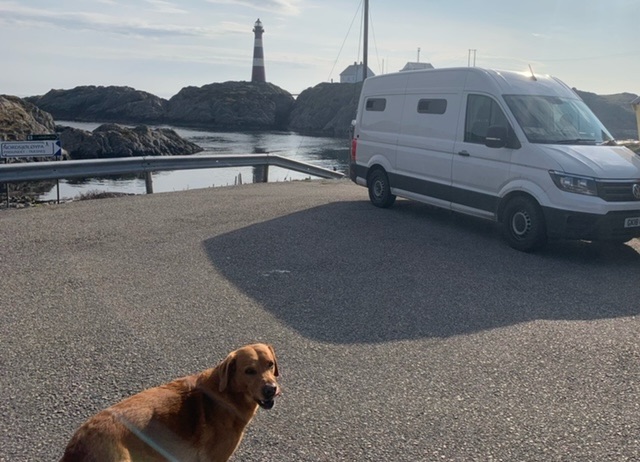
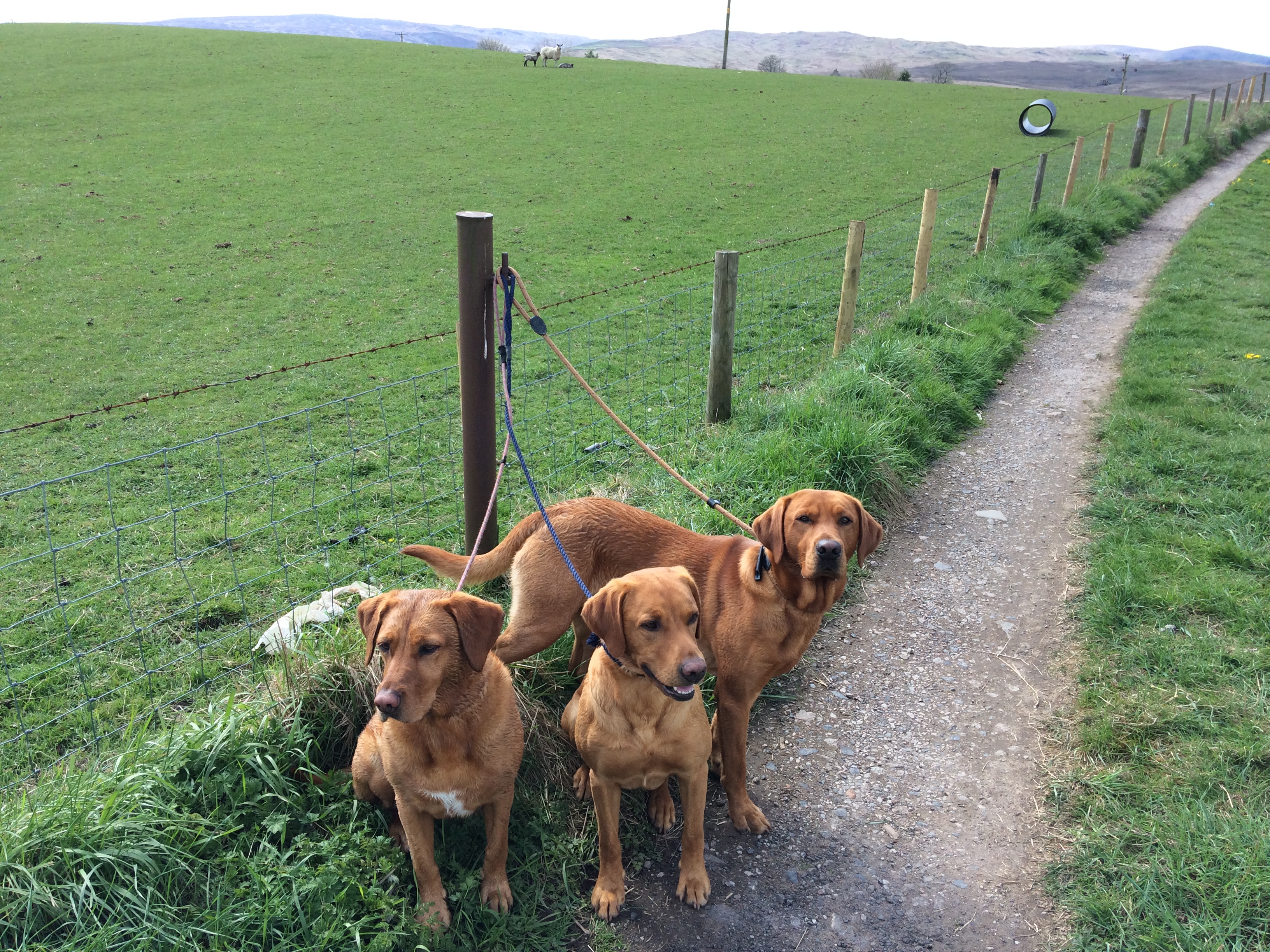
I headed to the far southwest corner of the island, close to the lighthouse, where there is parking for walkers. The island has a circular hike roughly around its edge, that I planned to do on Sunday. On the ferry the weather was so fine that Roja and I headed up on to the deck, where we got chatting to two women who had three dogs with them, a Shetland Sheepdog and two Red Setters. They were both teachers, and out to hike the island trail. I asked them about the teaching of English, which they both did to Primary School children, and they told me that it was a bit of a problem at the moment, in that they learn from school a bit, but mainly from the games they play on the internet. In the schoolyard, and socially to each other, they speak English. This is quite a new thing, just the last few years, and schools worry that their ability to speak and write in Norwegian may suffer.
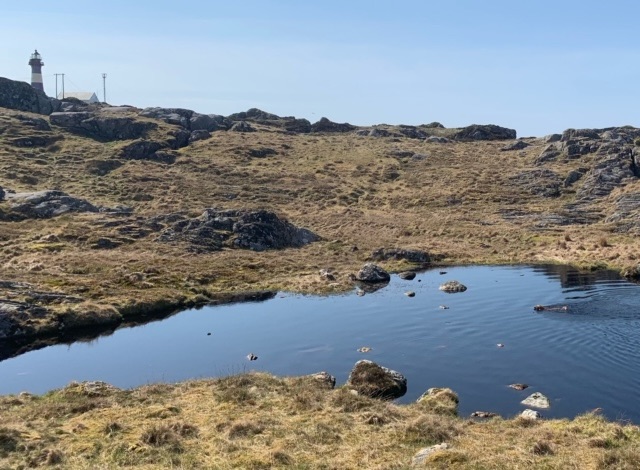
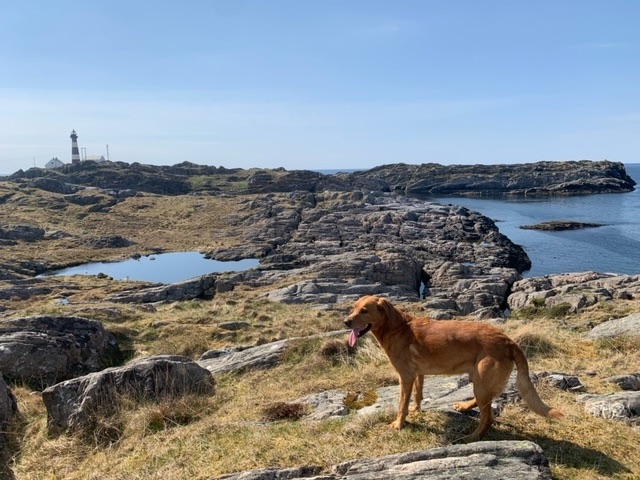
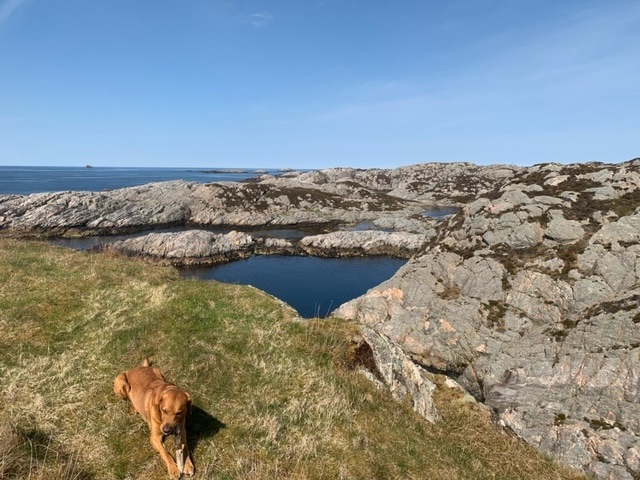
We wandered around the headland with splendid views across to the smaller islets. Fedje had been a recommendation from someone I met a few days ago. It’s not easy to work out which islands to visit, there are so many, 320,000 actually. Norway has the most islands of any country, with Sweden a close second. In that count, 100,000 of Norway’s islands are considered islets. 60 of these islands are inhabited.
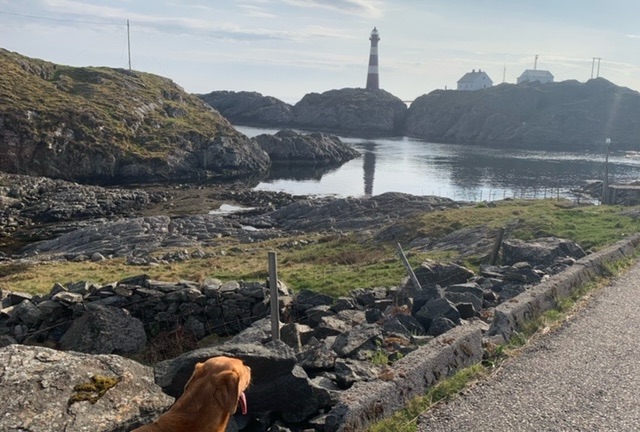
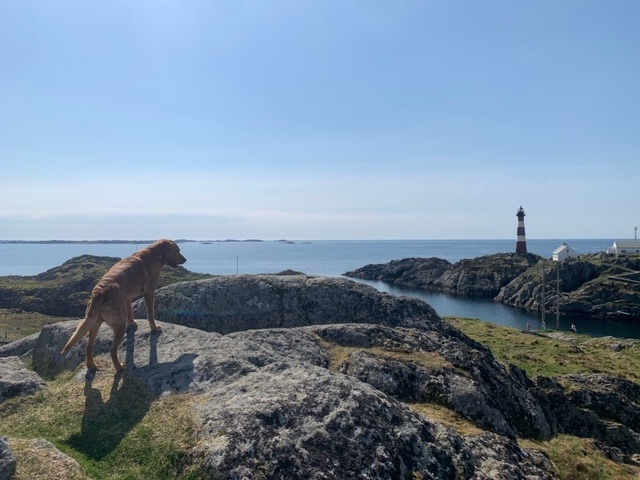
Hellisøy. It is the second oldest lighthouse in Norway, constructed in 1855, originally of brick, replaced by cast iron after a crumble, two years later. It was automated in 1992, and the keepers’s houses are now rented out.
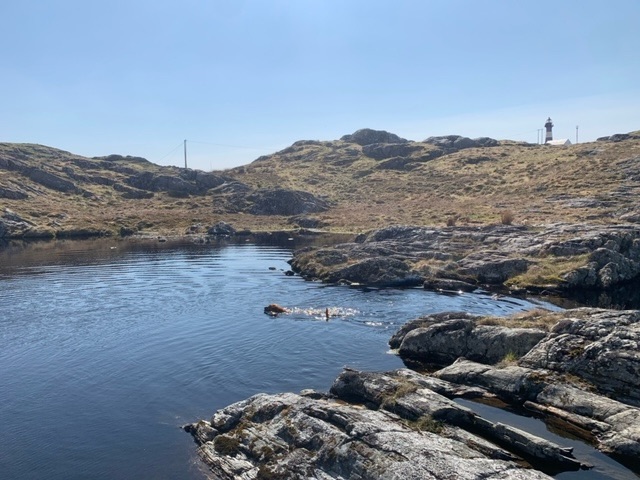
I’ll only be able to visit a relatively small number of these on this course, which necessitates further visits in future years.
Later in the afternoon a motorhome pulled in next to me. We chatted. They were an older couple from Bergen in the first outing with the motorhome that was new to them, and clearly very excited. They had a sick cat with them, which had been bitten by an adder. It was recovering, but needed to be fed by a dripper and prevented from moving far. They were quite knowledgeable about wildlife, and I asked about Orcas, so common in Shetland. The Norwegians call them Spekkhuggers, and they do frequent these waters, but prefer further north. Recent warmer waters have made Shetland one of the best places in the world to see them.
The lighthouse keepers’ house is available for rent, and last night about 8 pm, a boat arrived with about six people to stay. It seemed very late to arrive, and leave early this morning. My view of them disappeared suddenly, as just as the daylight faded, about 9:30 pm, mist rolled in.
I watched the European Rugby Semi Finals, which were great entertainment, and into the evening a good neo-noir film just released, called Love Lies Bleeding, set in a body-building gym community in New Mexico. But my evening reached a highlight with a Jamesons whisky, and the penultimate episode (ever) of Curb. Surely this incredible series can’t end… Larry David and his team are in their late 70s now, but at their very best.
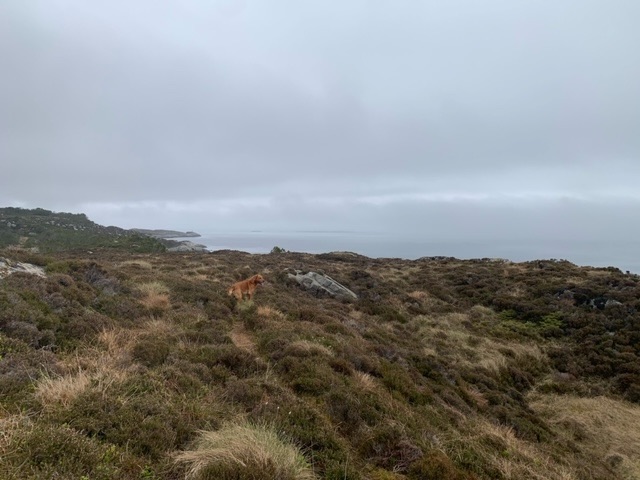
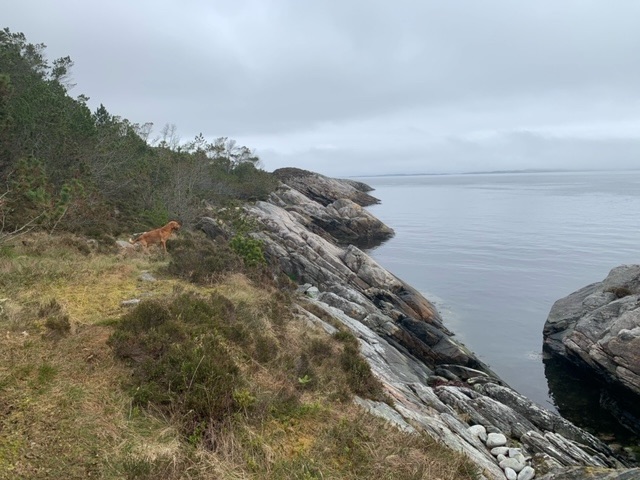
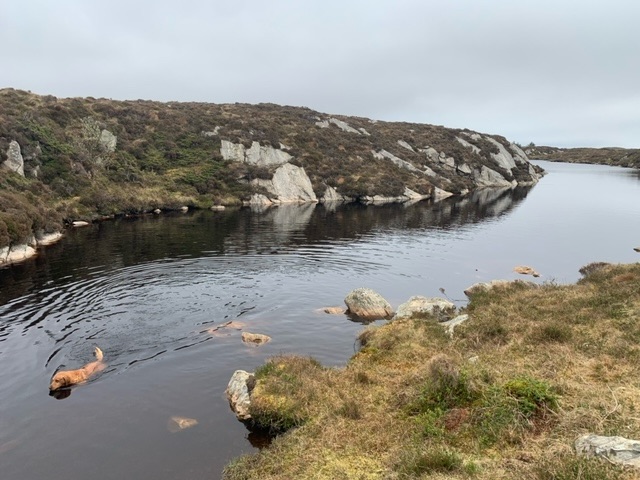
This morning we hiked the North Sea Trail, or Nordsjoloypa, making it into a circular route just over 10 kilometres, with lots of little ups and downs. The idea of the North Sea Trail here, is that in ten years it will be a continuous hiking route from Trondheim south. At the moment, it’s one of the first sections to be ready.
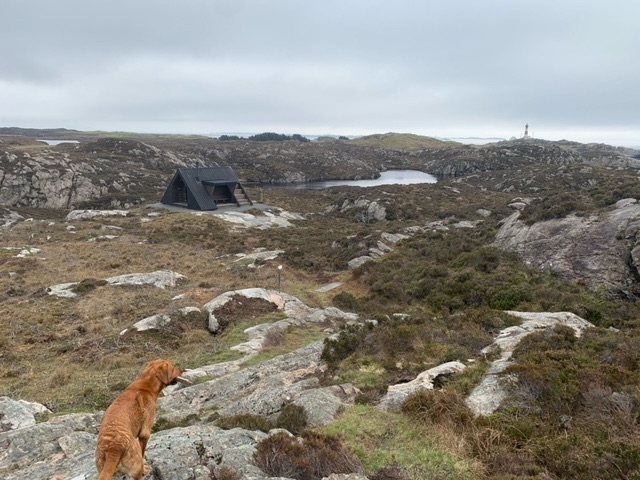
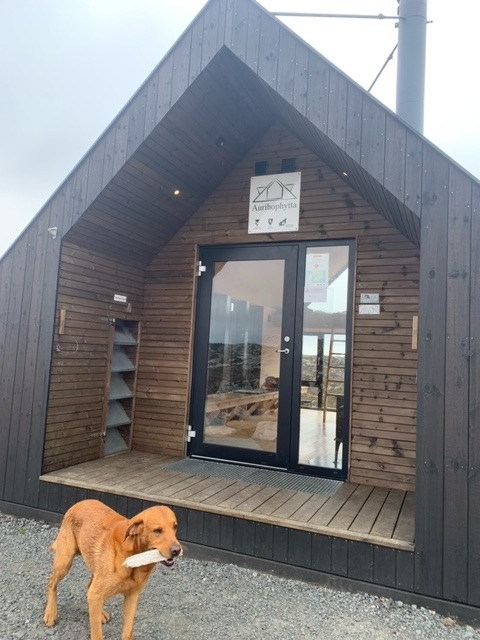
At roughly the middle of the path down the west coast is a very smart new hut. The Norwegians are really proud of their huts. This was partly funded by the government and partly from the local community fundraising efforts. Hikers cannot stay overnight here, it’s a place for a break and snack, or to meet up for a cup of tea.
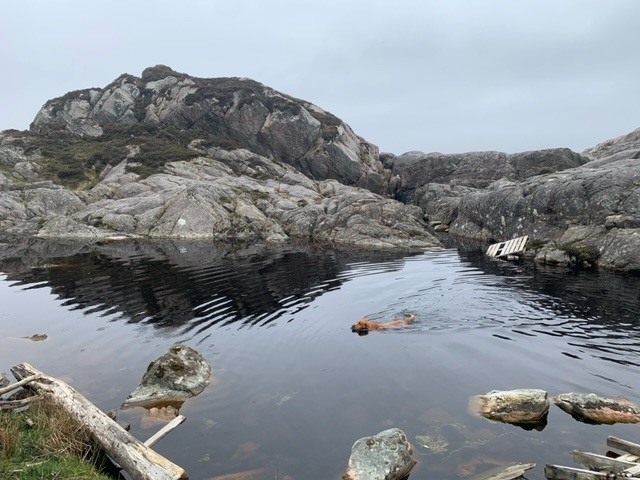
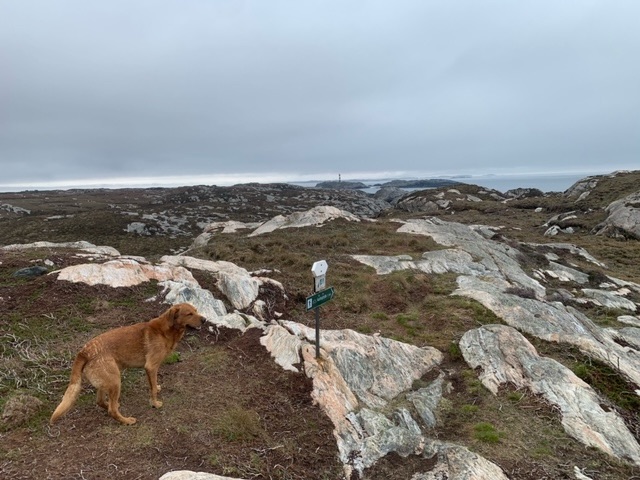
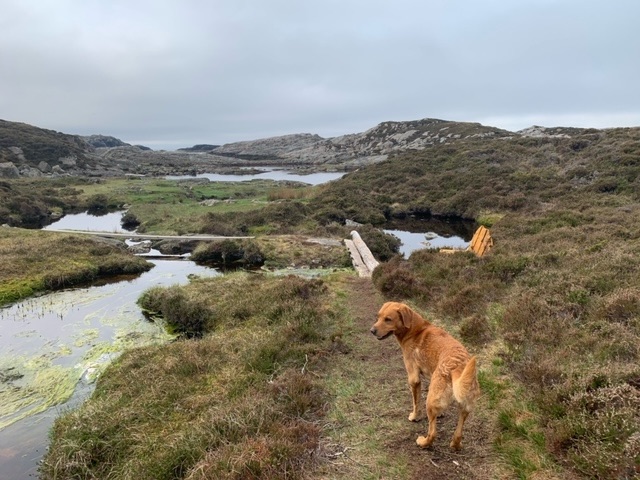
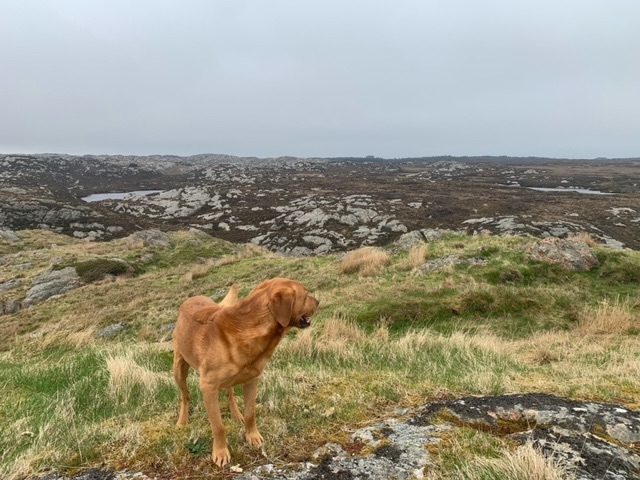
It took us about three and a half hours, a good deal quicker than it would have been before the new hip. There was much more cloud today, and without the sun it was much cooler, better actually for hiking.





Leave a Reply