translated from the Polish by Antonia Lloyd- Jones
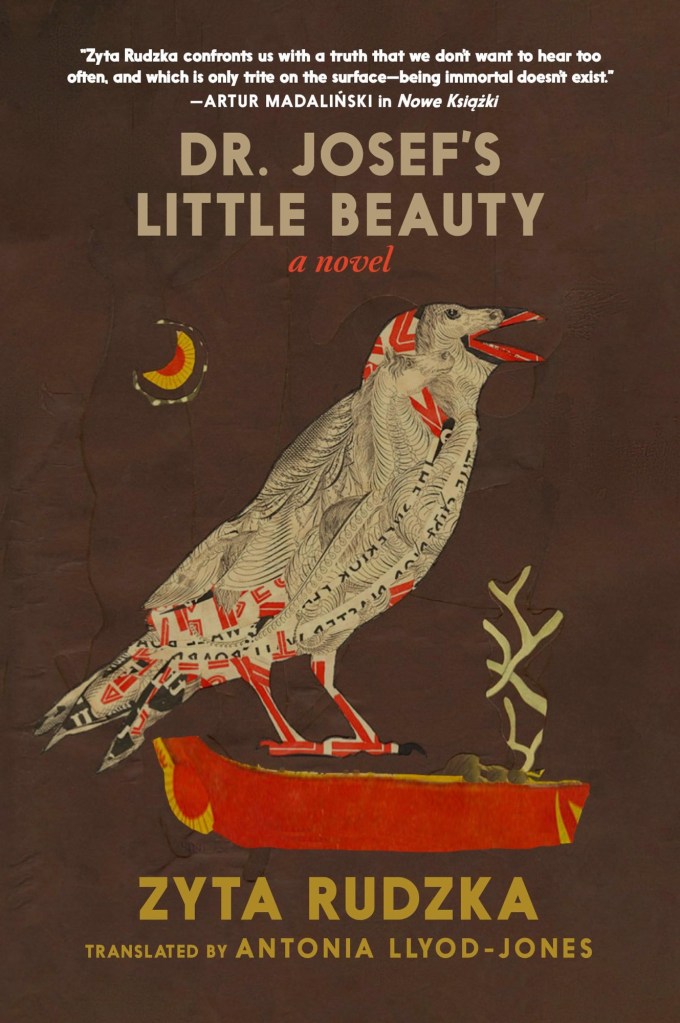
Set in a Polish nursing home in the 1960s for those damaged and maimed in the war, this is the harrowing story of two sisters who survived Auschwitz.
In order to survive Leokadia and Helena convinced everyone that they were twins, however, Leokadia was almost a year older. Their deception saved them, as they were aware that Mengele experimented on twins, and so he did upon them.
Rudzka tells the story in such a way that there are only snippets of information revealed about their time at the concentration camp, most of the narrative is given over to one particular hot summer at the nursing home, and their interactions with other residents.
In dealing with the sort of complex ‘end of life’ matters in the home Rudzka it is impossible not to compare them to life at Auschwitz; fear of death is ever present. Helena lost her arm when 12 years old at the camp after experimentation by Mengele. From the sisters’s conversations with other residents it is clear most of the children who were subject to similar treatment died. One reason for their survival is that Mengele gave Helena, at 12 years old, the title Miss Auschwitz. A title he awarded each year. They received a sort of special treatment. Another, is that her older sister, Leokadia, is quick to tell her not to dwell on the past, should those days come up in conversation, and has done this since they were children.
A conundrum presents itself, escape the misery of the last days of life by looking back, or not. They try to see their days at the nursing home as a sort of holiday camp. The residents are a set of misfits all with a tragic past from the war, they are unpleasant, rude and difficult for the staff to deal with, but wise enough to know that some elements of the past, those in Auschwitz, will never be forgotten and that it must be accepted and relived with dignity.





 Safe Return Doubtful
Leave a comment