I’m a big fan of Comyns and having read everything of hers that is in print, I am now on a mission to seek out and read those that are not, such as this. I managed to find a secondhand copy at a reasonable price, I don’t think the bookstore realised that it is hot property, and worth much more.
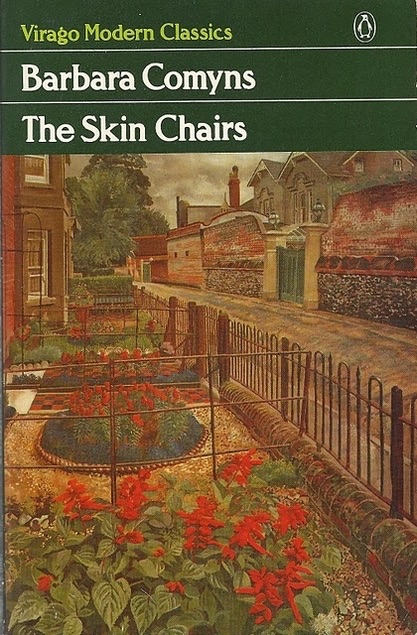
Typical of her writing, this blends the macabre with the mundane and introduces a fascinating set of characters. 10 year old Frances narrates, innocent but curious, and one of six children in a family struggling financially to manage.
Her younger sister implores Frances to take her to the General’s house in the village because she is curious to see the “skin chairs” that they have heard rumours about. On a dreary, overcast day, by chance Friday the 13th, the two sisters set off for the General’s place. Those chairs both fascinate and repulse Frances as the sisters are told that they were made from the human skin of men who were killed in the Boer War.
This is typical Comyns writing and what makes her books so appealing, to switch between a relatively ordinary domestic tale to a moment of horror at a totally unexpected moment.
One of the main themes of the novel is class; Frances’s family are poor, but many of the friends of her family are wealthy, haughty and supercilious.
To ease the financial burden Frances is sent by her mother to stay with the Lawrences for a while, a family of ‘horsey’ relatives who live in Leicestershire. In the company of her older sister Ruby, she meets a woman, Vanda, with an infant child, and as Frances gets older babysits. The passages involving the troubled and alcoholic Vanda are amongst the most memorable in the book.
A wide array of themescome together as the reader gets to know Frances and her world well, as she navigates the complexities of adolescence, family matters and society, particularly the debilitating impact of poverty, resilience and survival a recurrent theme seen in her novels.
Incredibly though, this remains out of print. It is relevant now as it was when it was published in 1962, dealing as it does with domestic life from a feminist perspective, and the uncertainties of motherhood.
I prefer my Comyns a bit darker, as she can be in books like Who Was Changed and Who Was Dead, but there in no denying that this is her at the height of her powers.
My GoodReads score 4 / 5




 Safe Return Doubtful
Leave a comment