In the autumn of 1944, Hitler ordered the evacuation of northern Troms and Finnmark County, a mix of Germans and Norwegians, though some people defied the order. It was Soviet and Finnish troops who were then attacking Finnmark, from the north. At this time the island sheltered around 1000-1500 people. Some of those who defied the order, about 100, hid in the Nordsandfjordhula cave, where I walked to on the misty day last Wednesday. The last cave-dwellers didn’t emerge until 8th May 1945, when peace was assured. The Soviets had negotiated their own peace late in 1944. After that, in early 1945, the remaining Germans operated a fierce resistance. It was then that the worst of the damage to towns was caused, despite the attentions of a guerrilla group of Norwegians operated on the island.
“It is dark. The gas stoves are smoking. Candles are casting eerie shadows over the nearly hundred people who have come here. No complaints are heard. Outside the cave a lookout is always at his post. The fear of what will happen if they are caught will not let go. November 12, 1944, early in the morning, the alarm sounds. A fishing boat is on its way into the fjord. On deck are German soldiers.”
Approximately one hundred cave-dwellers were caught and transported south by boat. Twelve youths escaped. Thanks to these young people, the Norwegian forces in eastern Finnmark were alerted to the presence of hundreds of people who had gone underground, another hundred of those went to the cave to shelter.
In February 1945 just over 500 Norwegians civilians, were evacuated by four British Royal Navy Destroyers. The rescue was called Operation Open Door. The Norwegian resistance remained, killing up to 100 Germans who were trying to clear the island, and losing only 6.
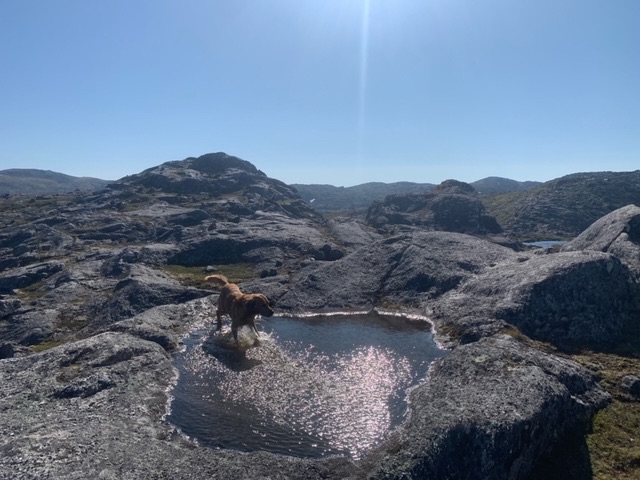
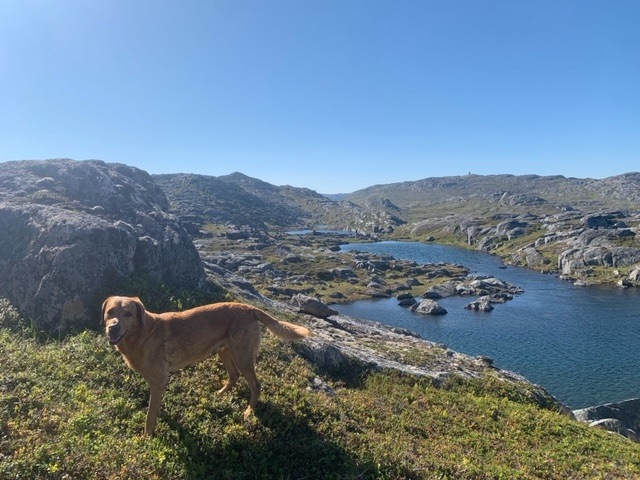

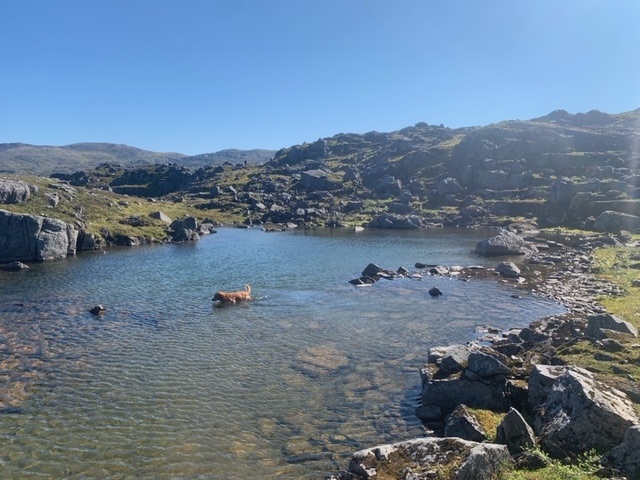
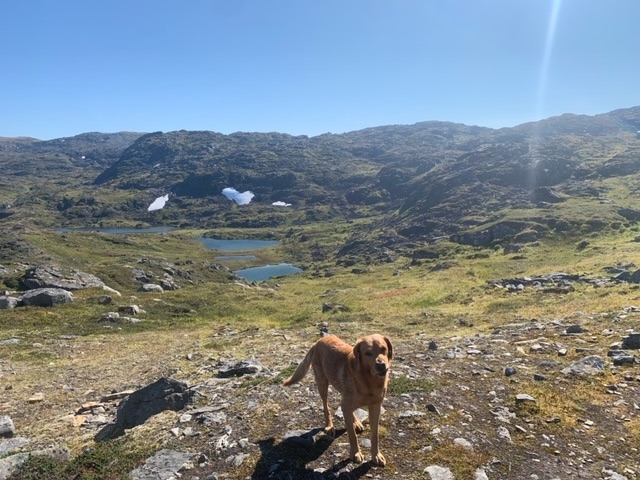
For the last two days I have been walking sections of the Across Sørøya Trail, which was set to be opened in 2020, but delayed because of the pandemic until the following year. It is a relatively unknown long distance path with any publicity for it mainly offered to Norwegians. It is 76 miles, or 110 kilometres in length, with a height gain of just over 6,700 metres. It generally takes hikers with full packs five days to complete.
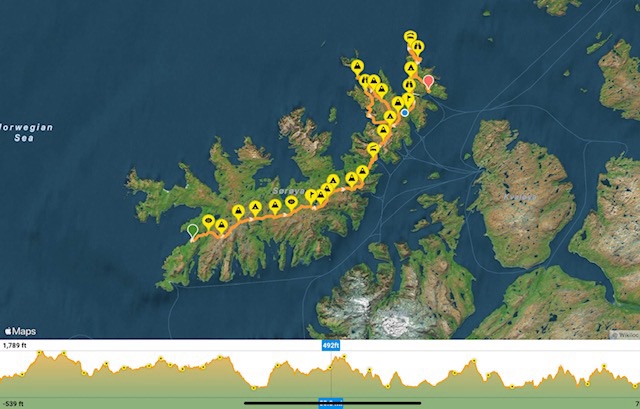
There are two huts for overnighting, more are planned, but at the moment a tent is necessary. I wrote last entry about the roads on the island, which are very few, so this is a real wilderness experience. In weather like we are having at the moment, it must be one of the top hiking experiences in Europe.


Finance was difficult after the pandemic, hence the unfinished huts, and lack of a website. In some ways though, that makes the experience even more appealing. There was an ultra-running race in July 2020 to commemorate the opening. An elite invitational event offered to 50 runners from around Europe. It was then called the Sørøya Climate Trail, and was a slightly different route to what it is now.


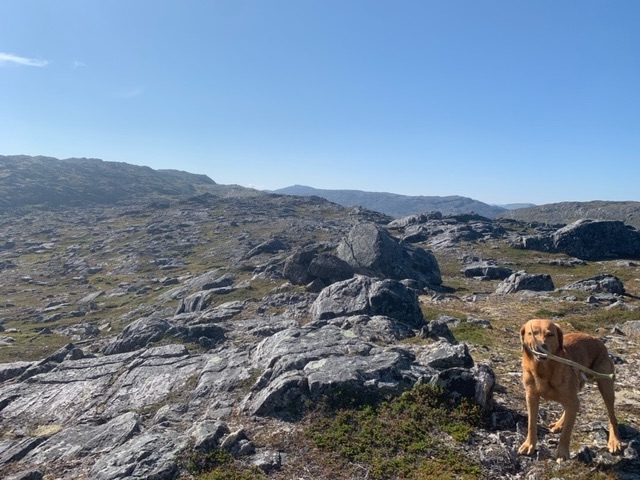
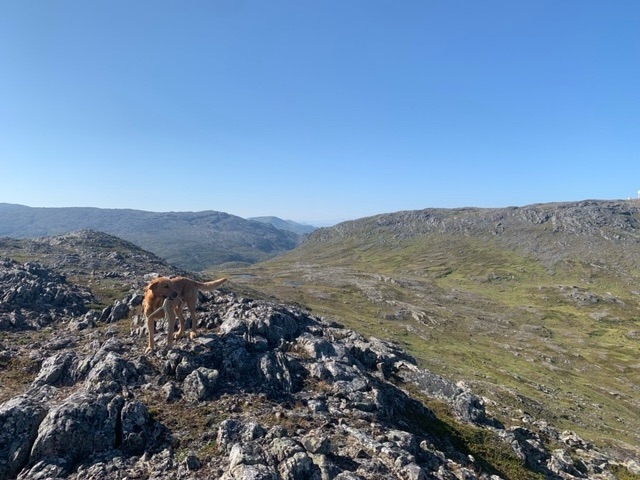
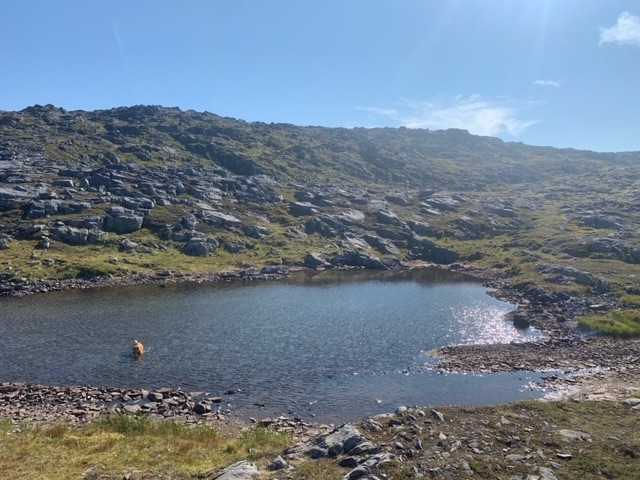
From where I am parked, the same place now for four nights, it is possible to take a short cut of about 3 kilometres to join the path; pretty much all the territory is negotiable on foot at this time of year. I have put together two circuits that have taken in about 20 kilometres of the trail. As it continues east it gets much wilder before finishing in the northeast of the island where there is a passenger boat to Hammerfest.
Yesterday I saw two young women hiking the trail, and walked with them for a half hour or so, and saw three others moving more quickly. Today I met a group of five, slightly older women stopped for lunch, from Oslo, and on a birthday celebration. It’s a great way to do it.
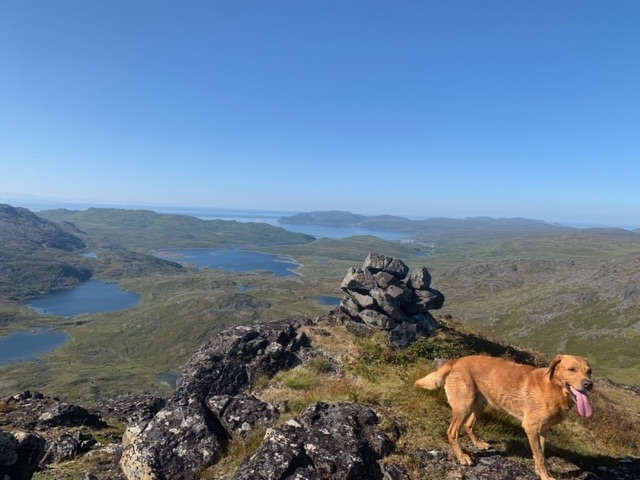

It looks absolutely tremendous in this weather, but I suppose the chances of getting such conditions are small, and the summer is short, and that is a problem in attracting visitors from around Europe. But it deserves more publicity than it currently gets.
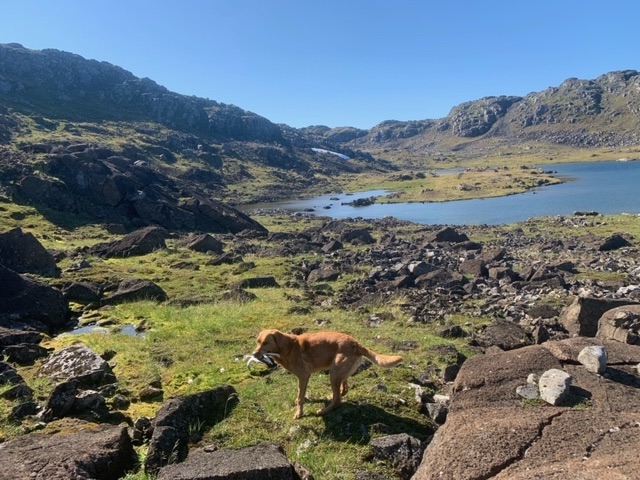
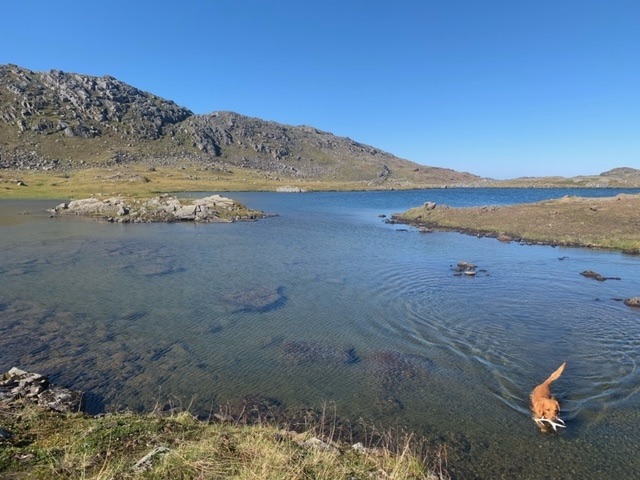
I saw very few reindeer yesterday, but lots today, including one wonderful close encounter with six. As I have encountered before, some are not timid, and inquisitive, and come close, even with Roja, who is perfectly behaved throughout, next to my right leg. However in a few weeks these guys will need to watch out, as the hunting season begins.
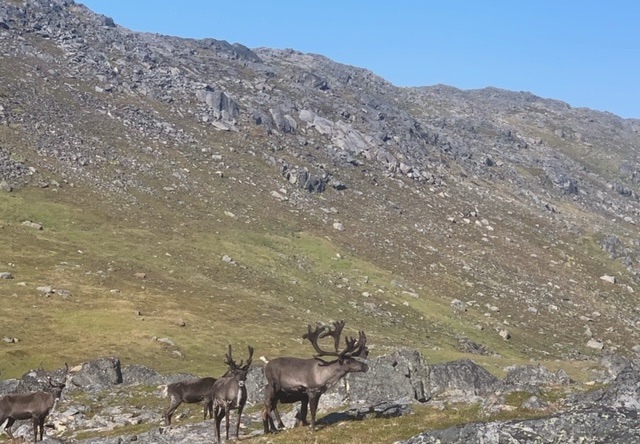
As you can see from the one in the photo, reindeer have the largest antler relative to body size of all the deer species. The females do not shed their antlers, and their antlers are usually a bit smaller. This big beast is likely to be a male, and likely to shed in the next few weeks, as the males do annually. Some have already started, hence Roja is finding so many.
We were out today for about four hours. It’s enough really, as though the fine days have been cool, the heat does build in the afternoons when the breeze drops. It was up to 25C this afternoon.

It’s been a splendid week on Sørøya. I’m running low on fresh food and need to get rid of some garbage, so we will reluctantly move onwards and northwards tomorrow.

 Safe Return Doubtful
Leave a comment