American Literature – Short Stories – Published 1990
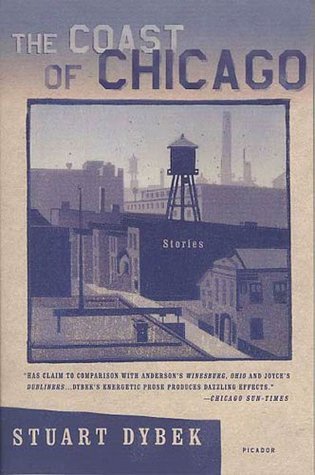
This collection isn’t as consistently as strong as Childhood and Other Neighborhoods: Stories but it does contain three excellent stories, and a few other really good ones.
Though there are 14 stories listed five of them are just a page or two in length, and more like essays.
Similar to Childhood, the protagonists of most of the stories are teenage boys, set once again against a background of Chicago in the 1970s, the stories saturated with such a sense of place that they couldn’t happen anywhere else.
My favourite is Blight, (which won the Nelson Algren prize) so called as the suburb of Chicago it takes place in is so old and worn that it needs to be torn down a rebuilt, designated by the mayor as a ‘blighted area’. Three young friends go to a viaduct to take advantage of the acoustics and sing blues songs with homemade percussion of empty bottles and beer cans and a snapped-off car antenna. The story’s theme is of resilience, and a determination to get the best from life despite the lot they have drawn.
Here’s a clip..
I’d inherited a ’53 Chevy from my father. He hadn’t died, but he figured the car had. It was a real Blightmobile, a kind of mustardy, baby-shit yellow where it wasn’t rusting out, but built like a tank, and rumbling like one, too. That car would not lay rubber, not even when I’d floor it in neutral, then throw it into drive. We’d pull up to a bus stop where people stood waiting in a trance and Pepper would beat on a fender while I wailed a chorus of “Hand Jive”; then we’d jump back in the Chevy and grind off, as if making our getaway. Once the cops pulled us over and frisked us down. They examined my sax as if it were a weapon. “There some law against playing a little music?” Pepper kept demanding. “That’s right, jack-off,” one of the cops told him, “It’s called disturbing the peace.”
In Chopin in Winter, Marcy, a young woman who returns home pregnant and in shame. The teenage narrator, Michael, spends his nights listening to her playing the piano in a neighbouring apartment, through the walls. His wayward great-uncle Dzia-Dzia, who visits, urges Michael to find the names of each Chopin piece Marcy plays, which the boy often conducts or plays, air-piano style.
Hot Ice (which won an O.Henry prize) finishes with a memorable scene. Two young friends, who had fallen out, are united in a combined effort. They commandeer an old railroad handcar, to transport a corpse frozen in a block of ice. The corpse signifies a local legend, of a young woman supposed to have been killed some thirty years earlier and carried to the local ice house by her grieving father. In the ensuing years the legend of the girl has grown, and she has been nominated for sainthood by the parish nun and Big Antek, the local drunk whom everyone knows. Antek swears that her body, in its ice block, was in a freezer he managed to lock himself in over a weekend and that her presence kept him from freezing. It’s a story about the myths that exist in urban reality, and it’s quite splendid.
Dybek has written some of my favourite ever short stories, notably Cordoba from the collection The Start of Something: The Selected Stories of Stuart Dybek, but also available for free on the ElectricLiterature site.
My GoodReads score 4/5


 Safe Return Doubtful
Leave a comment