translated from the German by Philip Boehm – originally published in 1927, translated edition in December 2025
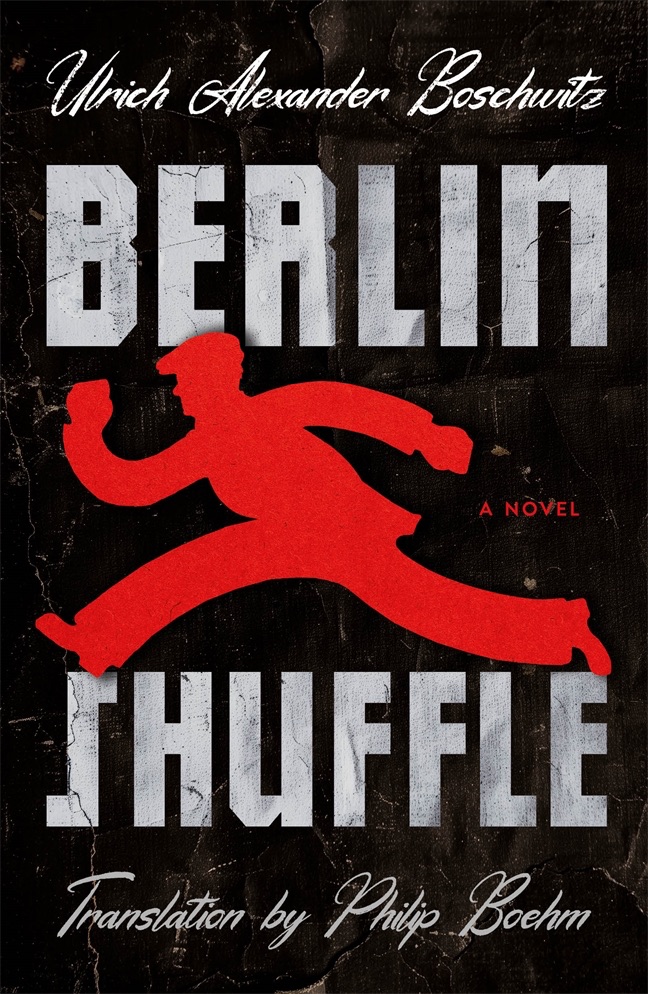
This is a tremendous piece of writing, though its subject matter, the resilience of characters just about surviving in the squalor of 1920s Berlin, is bleak and depressing.
It is set in a post First World War Berlin in which wounded veterans, beggars, and prostitutes roam the streets in abject poverty, homeless other than to a filthy windowless basement room. Their saving grace is the Jolly Huntsman pub, and a chance for a drink and a dance. In exploring the lives of a small number of characters, across the class divide, Boschwitz deeply perspective writing demonstrates how these conditions impacted all aspects of society, and people’s very humanity.
Though his characters are difficult to like, they earn the reader’s sympathy and are particularly well drawn; for example, Max Sonnenberg, shot and blinded in the war, Fundholz a beggar, Tönnchen, with learning difficulties and unable to stop eating, Minchen Linder, a prostitute for older men, Winter, Linder’s boyfriend and a small-time criminal; and Grissmann, a vagrant with eyes on Sonnenberg’s wife.
Their world maybe collapsing around them but the grit and resilience they show makes for a powerful and unforgettable read.
This was Boschwitz’s first novel, published in 1927 but only recently discovered and translated, splendidly by Philip Boehm. His own story is tragic. When the Second World War broke out he was living in England, with a valid reason for escaping Nazi Germany, but nonetheless was deported to Australia. His case was reviewed and he was able to return to England, but his ship was torpedoed and he was killed at just 27.
He is known for his excellent second novel, <i>The Passenger</i>, translated and published on its rediscovery in 2021. This is very different, but absolutely as good.
My Goodreads score 5 / 5


 Safe Return Doubtful
Leave a comment